

A one-ounce American Gold Eagle and a 1909-S VDB Lincoln cent can sit in the same box and belong to completely different markets. One tracks the spot price of gold. The other tracks collector demand, condition rarity, and auction history.
Mixing them up is the most expensive beginner mistake in coins. Research a bullion coin as if it’s a collectible and you’ll chase phantom premiums that don’t exist. Price a collectible by its metal weight alone and you could sell a scarce coin for scrap. Here’s how to tell them apart before you start researching value.
Key takeaways
- Bullion coins: metal content does the pricing
- Collectible coins: scarcity and condition set the price
- The grey zone: semi-numismatic coins
Bullion coins: metal content does the pricing
Bullion coins are bought and sold primarily for their precious metal content. The government that mints them guarantees the weight and purity, but the collector market does not care about the specific year or mint mark in most cases.
Common bullion coins include American Eagles (gold, silver, platinum), Canadian Maple Leafs, South African Krugerrands, Austrian Philharmonics, and Chinese Pandas. Banks, dealers, and online retailers buy and sell these daily at prices that track the spot market, with a small premium over melt for minting and distribution costs.
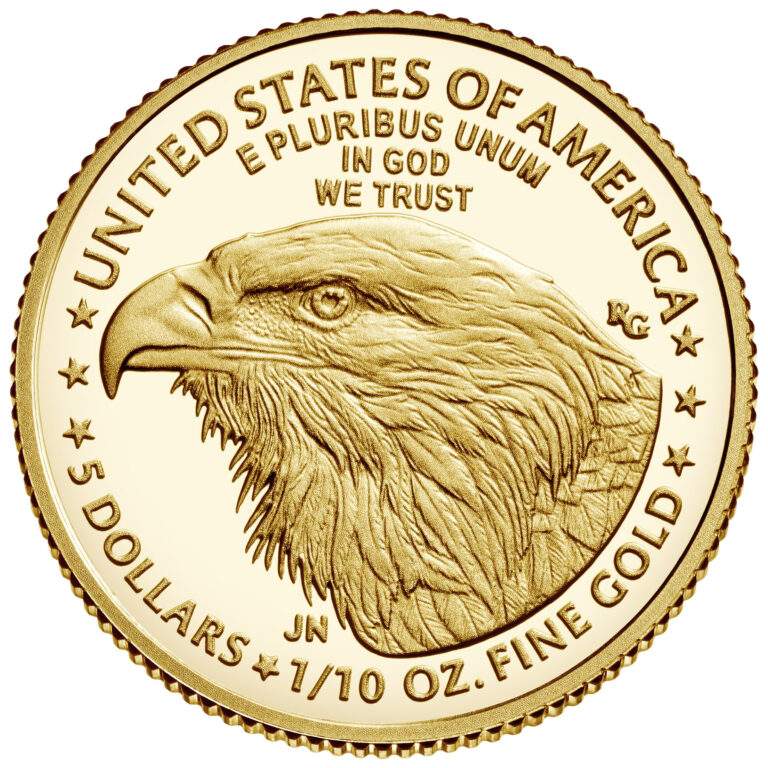
The practical rule: if the coin’s value in any condition is almost entirely the metal underneath it, and the year doesn’t change the price more than a few dollars, it’s a bullion coin. Research it by checking the current spot price and the typical dealer buy-sell spread for that coin type.
Collectible coins: scarcity and condition set the price
Collectible (numismatic) coins get their value from rarity, condition, historical significance, and collector demand. The metal content might be worth a few cents or a few dollars, but the coin itself can trade for hundreds or thousands because of its date, mint mark, grade, or variety.
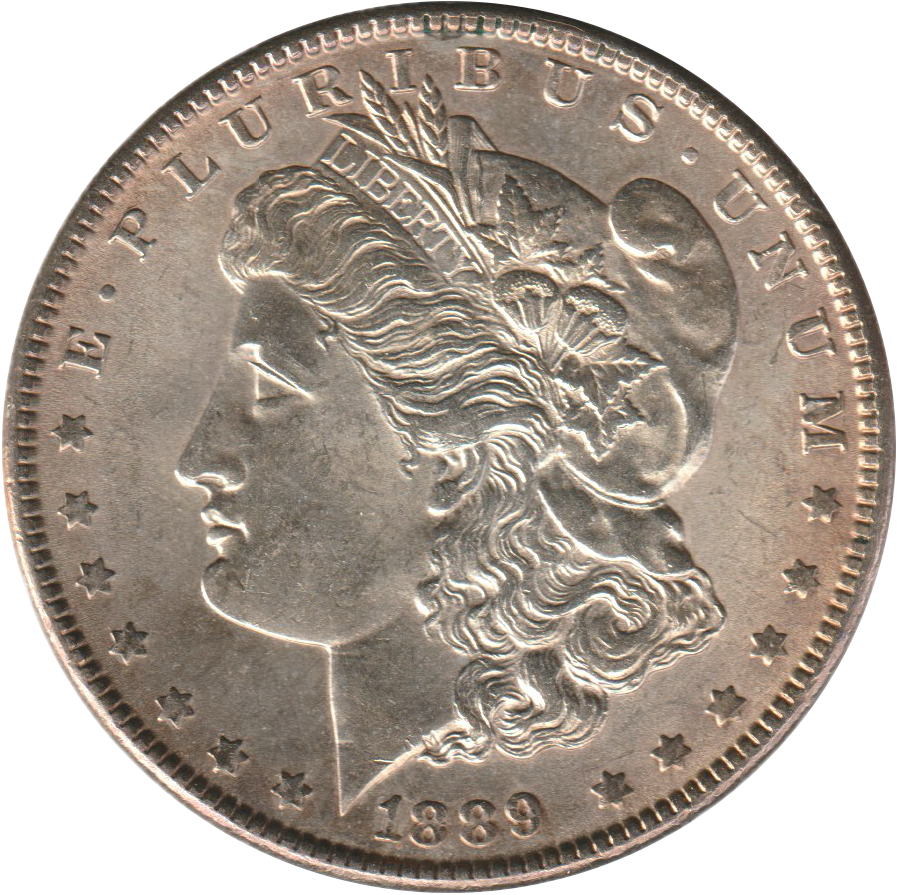
Examples: early US pennies like the 1909-S VDB, Morgan silver dollars with low-mintage dates or Carson City mint marks, key-date Buffalo nickels, and error coins with genuine mint-made mistakes. These coins have markets that move independently of the metal. A 1916-D Mercury dime contains about a dollar’s worth of silver but can sell for well over a thousand dollars in collectible condition.
The test: if the coin would still be valuable even if it were made of base metal, it is a collectible. Research it by looking at auction results for the same date, mint mark, and grade band, not by checking a spot price.
The grey zone: semi-numismatic coins
Some coins sit between the two categories, and this is where beginners lose money. Pre-1933 US gold coins, for example, carry bullion value from their gold content plus a collectible premium determined by date, condition, and surviving population. A common-date $20 Saint-Gaudens double eagle in circulated condition might sell for a small premium over melt. A rare date in uncirculated condition can sell for multiples of its gold value.
Modern commemoratives, proof sets, and limited-issue coins from mints worldwide also occupy this in-between space. They were sold at a premium when new and sometimes hold that premium, but many trade near their metal value years later.
For these, the research approach depends on where the coin sits on the spectrum. Check spot price first as the floor. Then check auction results for the specific date and grade to see whether the premium is real or just what the original buyer hoped it would be.
Quick field guide: bullion or collectible in 30 seconds
Ask these questions before you open a price guide:
- Is the coin made of gold, silver, platinum, or palladium? If yes, metal value sets the floor. If no, it is almost certainly a collectible.
- Does the price change significantly between years? A 2015 American Silver Eagle and a 2023 American Silver Eagle sell for about the same. The year matters for collectibles, not bullion.
- Was the coin minted after 1970 in large quantities? Most modern bullion coins fit this description. Exceptions exist, such as low-mintage key dates within a bullion series, but they are the minority.
- Does the coin have a key date, mint mark, error, or variety that collectors specifically hunt? If yes, research it as a collectible even if it also contains precious metal.
- Would a dealer buy it based on the metal alone? If the answer is yes and the premium above melt is small, treat it as bullion. If the dealer would examine the date and condition before quoting, think collectible.
Common beginner mistakes
Pricing a collectible by metal content. A 1916-D Mercury dime in Fine condition contains about $1.10 in silver but has sold for $1,200 or more at auction. Selling it for melt gives away the collectible premium.
Pricing bullion as a collectible. A common-date American Silver Eagle from the 2010s is not rare. Paying a large premium over melt for one in average uncirculated condition is buying marketing, not value. The exception: a certified ultra-high grade, but those are genuinely scarce.
Confusing original issue price with current value. Modern commemoratives were sold by mints at a mark-up. Many lose that premium on the secondary market. Research what buyers actually pay today, not what the mint charged in the year of issue.
Treating all gold coins as bullion. Pre-1933 US gold coins and rare world gold coins often carry strong collectible premiums. Gold content is only the starting point for these pieces.
When to research each type
For bullion coins: check a live spot price feed or a dealer’s buy-sell page. The value changes throughout the trading day, not month by month. Most bullion buyers use the spot price plus a known premium range for that specific coin type.
For collectible coins: use auction archives from major houses, certified-coin population reports, and recently completed eBay listings filtered to sold items only. Grade matters enormously. A single point on the 70-point grading scale can multiply or divide the value, so do not compare prices without confirming the grade.
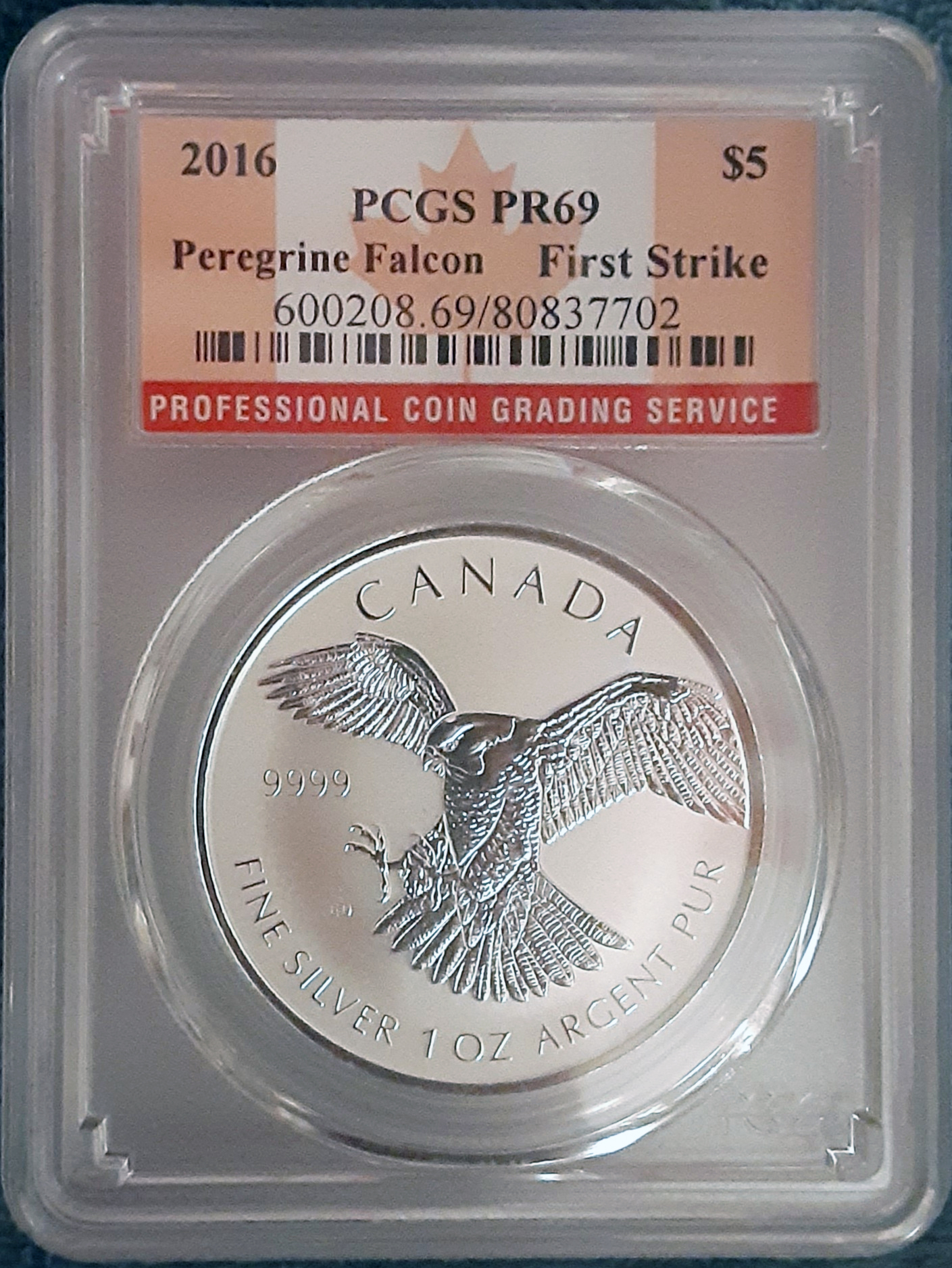
For semi-numismatic coins: do both. Know the metal floor, then research the date-and-grade premium. Check whether the premium has been stable or shrinking over the last two to three years before treating it as reliable.
Final practical advice
Before you spend an hour on a price guide, spend one minute deciding which market the coin belongs to. If the metal content dominates, you need metal pricing. If date, mint mark, and condition dominate, you need auction data. If you are not sure which side the coin falls on, start with the metal floor and then research recent sales of the same date and grade to see whether collectors actually pay more.
Separating bullion from collectibles is not about whether a coin “looks old” or “feels valuable.” It is about who sets the price: the commodities market or other collectors. Figure that out first, and the research becomes straightforward.
Notes
[1] Bullion coin precious-metal content and purity specifications are published by the issuing mints: United States Mint (usmint.gov), Royal Canadian Mint (mint.ca), Perth Mint (perthmint.com), and others.
[2] Collector coin auction results available through Heritage Auctions (ha.com), Stack’s Bowers (stacksbowers.com), and GreatCollections (greatcollections.com). eBay sold-item search provides a broader but less verified data set.
[3] Precious metal spot prices updated throughout the trading day; check a live source such as a major dealer platform or financial data provider before making buy-sell decisions.