

Sports card collecting has a quiet trap that catches almost everyone. A new product drops and suddenly you need a few packs, or at least a handful of singles. Multiply that by the thirty-plus Panini and Topps releases each year, and a collection meant to be focused turns into a storage problem with no centre. The solution is not a bigger budget. It is drawing boundaries before you open a single listing.
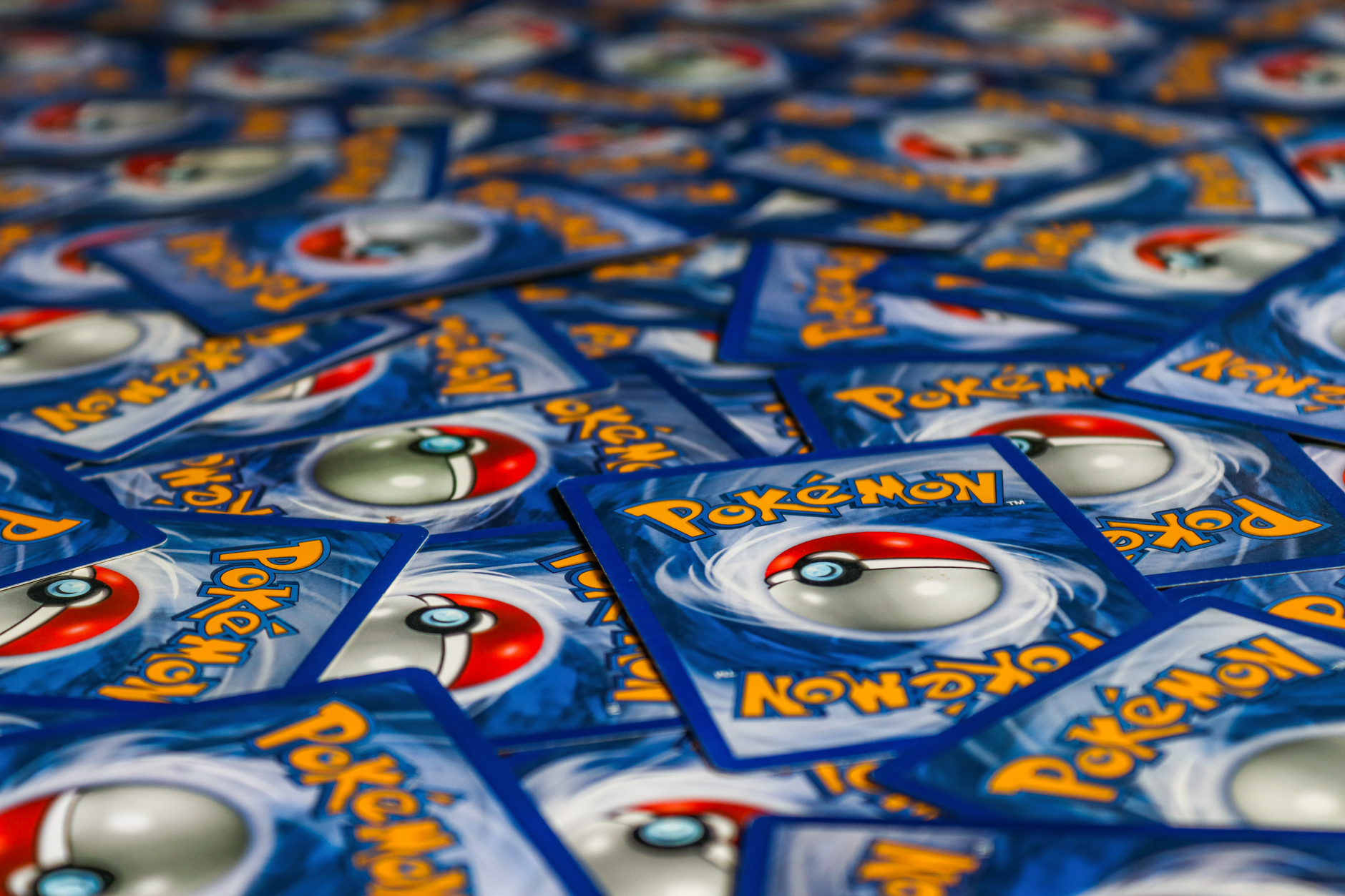
Why Most Player Collections Lose Focus
The card industry produces more product lines per season than any collector can reasonably track. A starting quarterback in the NFL might appear in twenty different sets in a single year. Each of those sets has base cards, inserts, numbered parallels, autograph versions, and memorabilia relics. Over a five-year career, that one player generates hundreds of distinct cards. Nobody can collect them all without either unlimited funds or a warehouse, and most collectors have neither.
The real problem is that new releases create urgency. Pre-order windows, break streams, and social media hype all push the same message: buy now or miss out. When you buy without a plan, you end up with a stack of cards that do not fit together as a collection. They are just individual purchases that happened to feature the same face.
Define What the Collection Is Before You Buy
Write a short statement that describes exactly what belongs in your collection. It might feel like overkill, but it becomes your filter. When a new Prizm parallel drops at two in the morning, you glance at your definition and know immediately whether to bid.
Some boundaries that work for player collectors:
- Rookie year only: Every card from the player’s true rookie season. Base, parallels, inserts. Nothing from year two onward.
- Autograph focus: Only certified autograph cards, with a preference for on-card signatures over stickers.
- Numbered to 99 or lower: Skip unnumbered base cards and high-count inserts. Your collection only contains cards with a known print run you can confirm.
- One card per set: The single best-looking or most significant card from each annual release, not every parallel tier.
- Team uniform only: Cards showing the player in one specific team’s colours, useful for players who changed teams mid-career.
- Graded only: Every card in the collection is slabbed, with a minimum grade threshold you set in advance.
Your definition does not need to be clever. It needs to be clear enough that you can say no to most of what the market offers. That is the whole point.
Choose Your Budget Tier and Stay There
Player card markets naturally divide into price bands. Knowing which band you are in prevents the mistake of filling a mid-tier collection with a few expensive outliers that make the rest look worse by comparison.
The three rough tiers:
- Budget tier: Base rookies, common inserts, unnumbered parallels. Cards are easy to find and inexpensive, but resale value stays low. A budget collection can grow quickly and still feel coherent.
- Mid tier: Numbered parallels to 99 or 199, entry-level autographs, mid-grade slabs. These cards take some hunting but are not rare. A mid-tier collection often holds its value and may appreciate slowly.
- Top tier: Low-numbered parallels numbered to 25 or fewer, true rookie patch autographs, gem mint copies of key cards, or serial-number matches like jersey numbers. These cards surface infrequently and move when they do.
Pick one tier and commit. A collection that mixes sixty budget cards with two high-end centrepieces reads as a budget collection with lucky finds. Consistency tells a better story than a splash.
Cap the Number of Card Types You Actively Pursue
Even inside a single budget tier, a modern player can have a bewildering number of card types. A practical rule: cap yourself at three active lanes. One example is rookies, one autograph per year, and numbered parallels. That is three lanes. When a new Select product launches with ten parallel levels, only the ones that fit your lanes matter. The rest stop being a temptation because they are not part of the plan.
Without a cap, each new release becomes a negotiation. With a cap, the decision is already made.
Use a Watchlist Instead of Impulse Buying
Set saved searches on the platforms you use. When a card matching your definition appears, add it to a watchlist instead of buying immediately. Wait at least a day on any purchase above a threshold you set, such as twenty dollars.
This pause helps in two ways. First, you can check recent sold prices for the same card to confirm the listing is priced fairly. Second, many cards lose their emotional pull after twenty-four hours. If you still want it the next day, you are buying intentionally rather than reacting to a notification.
Track What You Own From the Start
The most organized player collectors keep a simple inventory. A spreadsheet with columns for year, set, card type, serial number, condition notes, and what you paid is sufficient. You do not need collection management software unless your collection passes several hundred cards.
A current list prevents buying duplicates of cards you already own, a common mistake once your collection outgrows what you can remember. It also makes selling or trading easier: you know exactly what you have, so you can respond quickly when someone is looking for a specific card.
Define an End State for the Collection
Most player collections drift because they never define a finish line. Give your collection a clear endpoint. It does not have to be permanent, but it should be specific enough that you recognise when you have arrived. Examples: every rookie-year card from the Topps flagship set, one autograph from each season the player was active, or the complete 2018 Prizm rainbow in parallels numbered to 99 or lower.
When you hit that endpoint, stop and appreciate it. Then decide: is the collection done, or do you define a new, equally bounded goal? Both answers are fine. What drains the enjoyment is accumulating indefinitely with no sense of completion.
Common Red Flags
- Buying from sets you did not know existed a week ago: If you are surprised by the existence of the product you just bought, your plan may need tightening.
- Buying multiple copies of the same card because the price was good: One spare rookie is understandable. Five copies of the same base Prizm is hoarding.
- Ignoring condition because the card is cheap: A damaged card rarely improves. If condition matters in your tier, enforce it on every purchase.
- Letting social media decide your targets: Another collector’s rainbow is not your rainbow. Their budget and priorities differ from yours.
Final Practical Advice
Write your collection definition on a notecard or in a notes app. Read it before every card show, online auction, and product release. Update it when your collecting goals genuinely change, but do not let it drift week by week based on what is trending.
The best player collections look intentional because the collector said no to far more cards than they bought. The discipline of passing on most releases makes the cards you do acquire feel chosen, not accumulated.
If you are new to the hobby, start with our trading card collecting guide for beginners before setting your player collection boundaries. For grading and authentication specifics, see our guide on how PSA, BGS, and CGC compare.
Notes
[1] Modern sports card product counts reflect the expansion of Panini America’s annual licensed catalogues, which have grown from roughly fifteen NBA sets in the mid-2010s to over thirty in recent years. The same trend applies across NFL and MLB licensed products.
[2] The budgeting and tier framework is based on general secondary-market observation and is not tied to specific players, sports, or market cycles. Price points vary widely and a collector should always check recent sold listings for the cards they intend to target.
[3] The twenty-four-hour watchlist cooling-off approach draws from behavioural finance research on impulse spending in collectible markets. A mandatory pause between finding a listing and completing the purchase tends to reduce regret-based buys without meaningfully lowering collecting satisfaction.
[4] General collecting strategy and planning advice. For specific guidance on card authentication, grading, and storage, see the related GrandCollector guides linked in the article body.