

Updated August 2026. This is a historical guide, not investment advice.
Philately is the study and collection of postage stamps and related postal material. It is broader than simply saving attractive stamps: collectors may study routes, cancellations, postal rates, printing methods, errors, governments, and the way mail connected communities.
Why stamps became collectable
Adhesive postage stamps made it easier to prepay and identify postal charges. Once stamps circulated through letters, people began saving them for their designs and historical information. Collectors soon compared issues, countries, dates, perforations, watermarks, and cancellations.
From albums to specialist research
Early collectors often used albums and simple classification systems. As collections grew, specialists developed catalogues and more precise terminology. Today, a serious collection may include postal history, covers, proofs, essays, varieties, and expert certificates rather than only unused stamps.
What makes an issue historically interesting
- The political or social event it records.
- A change in postal rates or routes.
- A new printing method or design tradition.
- Evidence of how the item was used in the mail.
- A documented error or variety.
Historical interest does not automatically create a high price. Demand, condition, scarcity, provenance, and the number of specialists seeking the item all matter.
How to research a stamp
Begin with the country or issuing authority, date, denomination, design, perforation, watermark, and cancellation. Compare a reputable catalogue with specialist references. For scarce material, an expert certificate can clarify identity and condition, but certificates should be read carefully and matched to the item.
How to preserve postal history
Use archival-quality sleeves and albums, keep material away from heat and humidity, and avoid unnecessary handling. Do not remove stamps from covers simply because a loose stamp is easier to store. The cover may contain the most important evidence about use, route, date, or rate.
Bottom line
The history of philately is really a history of communication, printing, collecting habits, and evidence. The strongest beginner collection is organized around a question and documented carefully, not built around untested claims about future value.
Philatelic reference image.
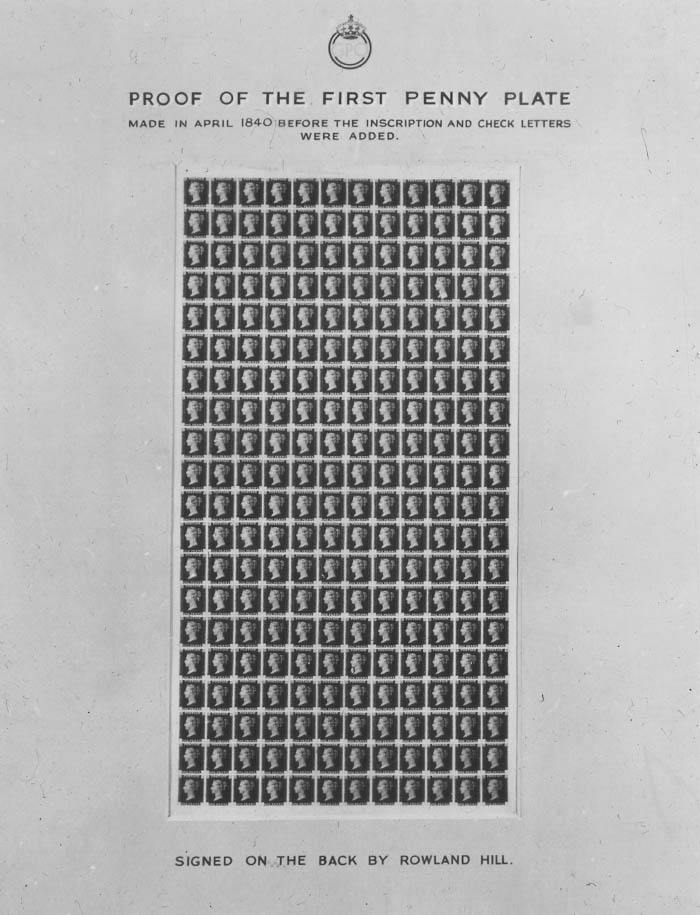
Historical stamp example.
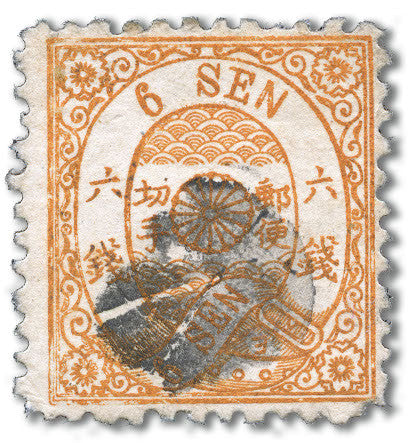
Postage-stamp example for comparison.
Notes
[1] The International Federation of Philately and national postal museums provide historical context for stamp issues and postal history.
[2] Catalogue numbers and condition terms vary by reference work; record the source used for identification.