

Claims about expensive licensed figures are easy to repeat and surprisingly difficult to verify. A marketplace listing can show a dramatic number, a seller can call an item “rare,” and an old article can turn an asking price into supposed market value. None of those facts, by themselves, prove what a figure is worth.
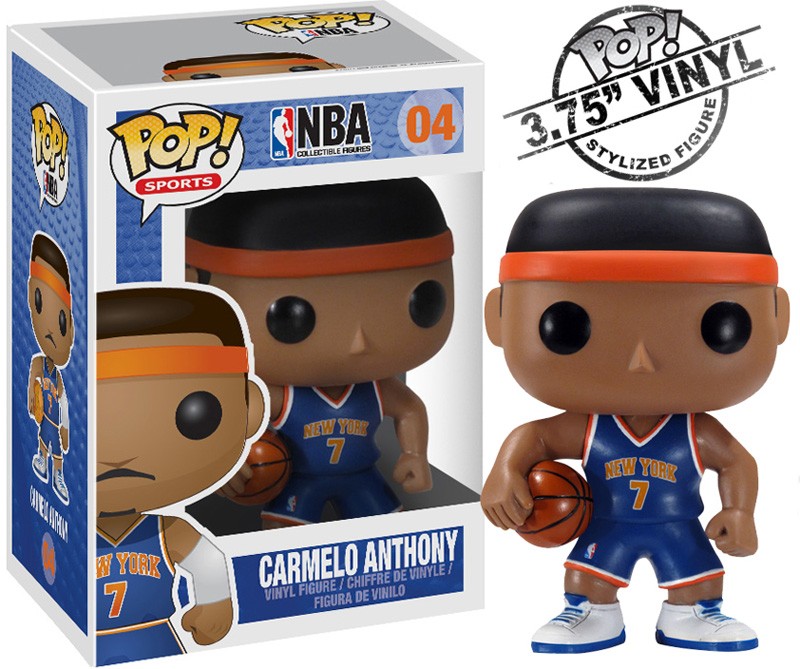
A better approach is to treat every high-value claim as a research question. Before discussing price, identify the exact item, document its condition and history, compare it with completed sales, account for transaction costs, and assess the risk that the item is counterfeit or altered.
Start with exact identification
“A limited-edition basketball figure” is not an identification. Record the details that separate one release from another:
- Manufacturer, licensed property, character or athlete, and release name.
- Product number, barcode, box markings, sticker text, and copyright or trademark notices.
- Exclusive retailer or event designation, if one is genuinely printed on the item or packaging.
- Variant details such as pose, uniform, accessory, color, finish, or packaging version.
- Whether the item is loose, boxed, sealed, graded, signed, or accompanied by original inserts.
Photographs should show the front, back, base, packaging, labels, and any stickers. Compare those images with manufacturer archives, reputable catalogues, specialist databases, and auction records. Similar-looking releases can have different production codes and very different demand. If the identification is uncertain, the valuation is uncertain too.
Condition is more than “mint”
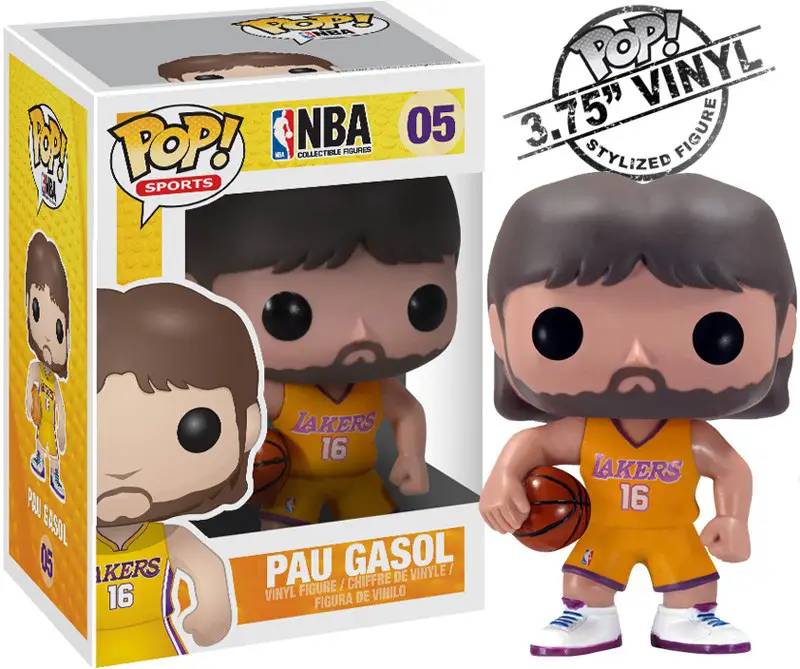
Condition affects both desirability and proof. Inspect the figure and the packaging separately. Look for paint rubs, scratches, yellowing, loose joints, warped plastic, missing accessories, fading, crushed corners, tears, price-label residue, replacement tape, and moisture damage. A sealed box is not automatically pristine: the window, seals, cardboard, and contents may still have defects.
Use precise language rather than a flattering shorthand. “Opened and complete with light shelf wear” tells another collector more than “near mint.” If a third-party grading or authentication service has evaluated the item, record the company, certification number, label description, and whether that certificate can be checked through the service’s official system. Grading is evidence about the submitted item and its stated condition; it is not a guarantee of future resale value.
Ask where the item came from
Provenance is the documented chain of ownership or acquisition. Useful evidence can include an original retailer receipt, event paperwork, a dated collection inventory, auction-house records, prior invoices, or correspondence that explains how the item was obtained. Provenance doesn’t need to be elaborate to be useful, but it should be consistent with the product’s release history.
Be cautious when a story is doing more work than the evidence. Statements such as “from an employee,” “found in a warehouse,” or “owned by a famous player” are not independently verified provenance unless supporting documents exist. Provenance can strengthen confidence, but it cannot make an incorrectly identified or counterfeit figure authentic.
Use completed sales, not list prices
A list price records what a seller hopes to receive. It does not show that a buyer agreed to pay it. For market research, prioritize completed transactions from established auction houses and marketplaces that show a genuine sale, date, item description, photographs, and condition. Compare multiple results when possible, and separate the exact variant from nearby releases.
Read the sale terms. The displayed winning bid may not equal the buyer’s total, and the seller’s proceeds may not equal the buyer’s total either. Buyer’s premiums, sales tax, shipping, payment charges, platform fees, consignment commissions, and currency conversion can all change the economics. A reported result should therefore be described carefully: identify the source, date, currency, condition, and whether the figure is a hammer price, winning bid, or all-in amount.
Thin evidence deserves a thin conclusion. One unusually high result may reflect exceptional provenance, a superior grade, a bundled lot, an error in the listing, or a motivated bidder. It should not be presented as a normal price for every example.
Check counterfeit and alteration risk
Licensed figures and their packaging can be copied, reboxed, over-stickered, repainted, or assembled from genuine and non-genuine parts. Warning signs include blurry printing, incorrect fonts, inconsistent logos, weak paint applications, mismatched gloss, rough seams, missing copyright information, suspiciously fresh packaging, and a box that does not match the figure’s known release.
Compare several reference images, including details that are difficult to reproduce: sculpt lines, paint boundaries, factory marks, accessory fit, inner tray shape, barcode placement, and sticker dimensions. Treat an unverifiable certificate, screenshot, or seller guarantee as a lead—not as authentication. For a significant purchase, use an established specialist or the rights holder’s documented authentication route where one exists. Avoid irreversible cleaning, repainting, or “improvements” before an examination; those changes can destroy evidence and reduce collector confidence.
A practical claim-checking worksheet
When someone presents an expensive-figure claim, write down:
- The exact identification and the evidence supporting it.
- Condition, completeness, packaging state, and any professional assessment.
- Provenance documents and unresolved gaps in the ownership story.
- Comparable completed sales, with dates, sources, variants, and sale terms.
- Likely fees, taxes, shipping, insurance, and selling costs.
- Counterfeit or alteration risks and the steps taken to address them.
Then distinguish three different statements: what a seller is asking, what a buyer actually paid, and what a particular example might net after costs. Those are not interchangeable. The honest conclusion may be that the evidence is insufficient for a defensible valuation. That is more useful than repeating a large number without support.
Notes
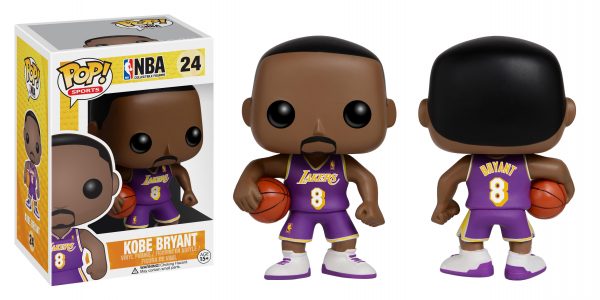
Source notes: Manufacturer product pages and archived release information are useful for identification. Official grading or authentication-service databases can help verify certification numbers. Auction-house archives and marketplace pages showing completed transactions are useful for sales comparisons, but check each platform’s sale terms and fees. Consumer-protection guidance from the relevant marketplace or payment provider can help explain disputes, returns, and counterfeit reporting. All sources should be checked against the exact item and transaction being discussed.