

A sneaker marketplace can make buying easier, but it can’t remove every risk. Listings may be screened, prices may be visible, and payment may stay inside the platform, yet the buyer still has to check the item, understand the rules, and keep evidence of the transaction. The safest purchase is not always the cheapest one. It is the one where the product, seller, costs, and recourse are all clear before you pay.
Start by identifying the marketplace model
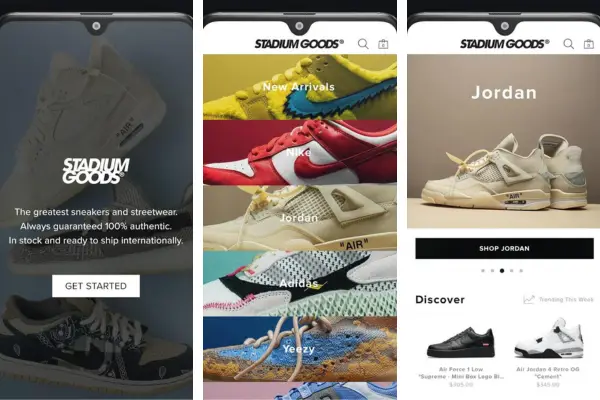
Not every sneaker marketplace works the same way. A retailer or consignment shop usually controls the listing and may inspect stock before offering it for sale. A peer-to-peer marketplace connects individual sellers and buyers; the platform may process payment, review the item, or provide dispute tools, but the seller supplies the product information. A brand or authorized retailer sells its own inventory and can provide the most direct purchase record, although it may not offer the same selection as resale platforms.
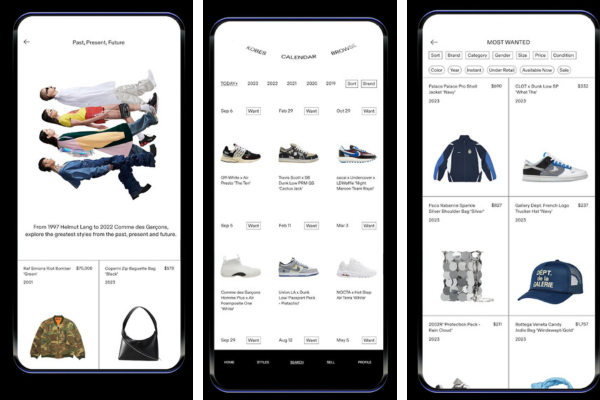
Some platforms use a fixed asking price, while others use bids, offers, or a buy-now price. A displayed market price is a reference, not a guarantee of value. Compare the complete delivered cost and the protections attached to that transaction rather than comparing headline prices alone.
Understand authentication—and its limits
Authentication is a review process, not a permanent guarantee that a shoe can never be disputed. Depending on the marketplace, an item may be checked before shipment, after the seller sends it, through photographs, or only under certain listing and shipping methods. Some transactions may be excluded from standard checks, and a platform’s terms can change.
Read what the service actually promises. Does it inspect both shoes, the box, accessories, and size label? What happens when an item fails inspection? Does an expedited or direct-shipping option change the process? Authentication can reduce risk, but it does not replace your own inspection. When the package arrives, photograph the unopened parcel, labels, packaging, and every part of the shoe before wearing it or removing tags.
Calculate every fee before placing an order
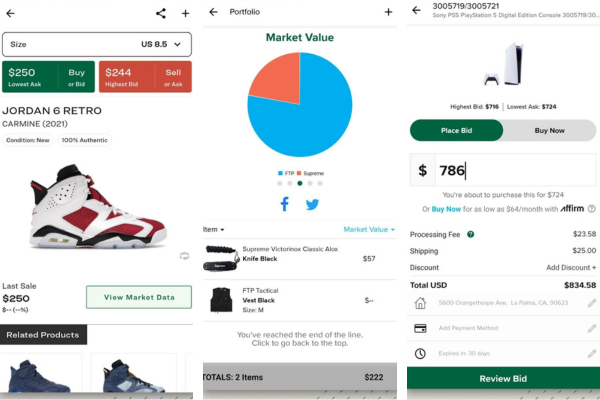
The checkout total may include more than the seller’s asking price. Check for buyer fees, shipping, taxes, duties, payment charges, currency conversion, and any service or processing fee. A seller’s low price can stop being a bargain once these amounts are added. Save a screenshot or receipt showing the item price and final total.
Also check the seller-side rules if you are considering a trade or private arrangement. Moving payment or messages outside the platform may remove platform protections and make it harder to prove what was agreed. Never treat an off-platform discount as free money; it may be the price of giving up dispute support.
Read the buyer-protection rules before you need them
Buyer protection is usually conditional. It may cover an item that is counterfeit, materially different from the listing, damaged in transit, or never delivered. It may require you to report the problem within a short window, keep the item in the received condition, use the platform’s return label, or provide photographs and packaging. It may not cover buyer’s remorse, a poor fit, normal wear, odors, or damage caused after delivery.
Find the dispute deadline, evidence requirements, refund method, and responsibility for return shipping. Use the marketplace’s official order and messaging system. If something goes wrong, report it promptly and describe the defect precisely. Do not send the shoes back on your own before the platform gives instructions.
Inspect condition, not just the thumbnail
“New” can mean unworn, but the exact definition varies. Confirm whether the shoes include the original box, extra laces, tags, accessories, and replacement parts. For used pairs, look for clear photographs of the outsole, midsole, heel, toe box, insoles, size tag, stitching, logos, and any repairs. Ask about sole separation, yellowing, creasing, stains, smoke or storage odors, and alterations.
Compare the photographs with the written description. Missing angles, heavy filters, stock images, or a description that says only “good condition” are reasons to pause. A seller who will not provide specific photos should not receive the benefit of the doubt.
Ask for provenance without expecting a perfect story
Provenance means the available history of an item: where it came from, when it was bought, whether it has changed owners, and what records accompany it. A receipt, order confirmation, store record, or prior authentication result can support a listing, but paperwork can also be incomplete, altered, or unrelated to the exact pair.
Match any receipt to the model, size, colorway, date, and seller identity. Treat “deadstock,” “rare,” “exclusive,” and “investment” as claims to verify, not proof. Provenance is one piece of the decision; it does not replace physical inspection or a clear return route.
Confirm the return route and fit risk
Resale transactions often have narrower return rules than ordinary retail purchases. Some may allow returns only for an approved reason, within a stated time, and in an unworn condition. Others may treat an accepted offer as binding. Check whether sale items, used pairs, international orders, or items with removed tags are excluded. If sizing is uncertain, measure a comparable pair you own and compare the seller’s information. A return policy is useful only if you can meet its conditions.
Walk away from these red flags
- The seller pressures you to pay immediately or move the conversation off-platform.
- The price is dramatically below comparable listings without a credible explanation.
- Photos are copied, blurry, inconsistent, or show a different size than the listing.
- The seller refuses close-ups of labels, stitching, soles, or defects.
- The description makes absolute authenticity claims but gives no process or recourse.
- The account is new, has conflicting feedback, or has a pattern of cancelled sales.
- The listing hides fees, shipping terms, import costs, or the return deadline.
Before buying, save the listing, seller profile, messages, checkout total, and policy pages. Verify the pair against the order, inspect it before use, and open a formal dispute quickly if it is materially wrong. That process is less exciting than chasing a supposed bargain, but it is how a marketplace purchase becomes a considered collecting decision instead of an expensive lesson.
Notes
Source notes: General consumer guidance based on standard online-marketplace practices and publicly available consumer-protection guidance from the U.S. Federal Trade Commission. Marketplace authentication, fees, buyer protection, shipping, and return terms vary by platform, seller, location, item, and transaction method. Check the applicable terms and conditions at the time of purchase. This guide is informational and is not legal, financial, or authentication advice.