
A licensed character figure is not automatically a good buy. The character may be a favorite, the sculpt may be excellent, and the box may look convincing—but collectors still need to know exactly what they are buying. That matters whether the figure is a Funko Pop!, an action figure, a model, or another mass-produced collectible.
The old way to shop was to chase a character list and trust words such as “rare,” “exclusive,” and “investment.” A better approach is slower and more practical: identify the exact release, inspect the object and its packaging, verify the license, record the transaction, and pay only what the item is worth to you. Hype is not documentation.
Identify the exact release before you buy
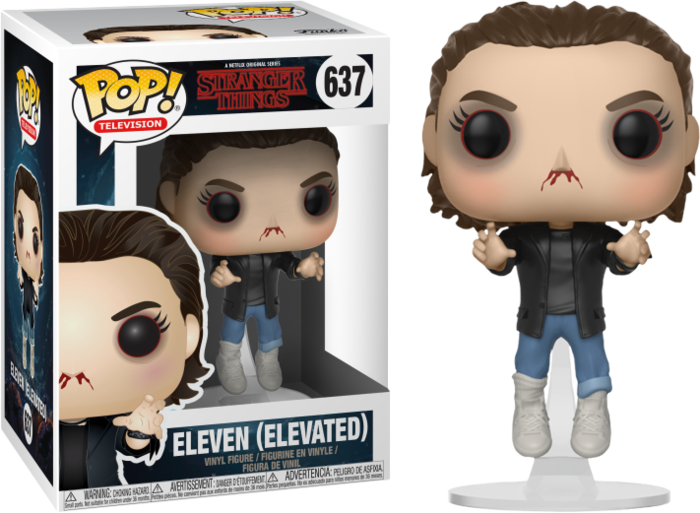
“A figure of Eleven,” “the Spider-Man figure,” or “the 2020 version” is usually not enough information. A single character can appear in multiple poses, costumes, sizes, finishes, box designs, retailers, and production runs. Treat each version as a separate item until the evidence says otherwise.
Start a listing comparison with the details printed on the box and the figure itself:
- Brand, product line, character name, and product number
- Copyright and license text
- Box art, window design, sticker placement, and colorway
- Exclusive retailer, convention, or event information, if present
- Variant terms such as chase, glow, flocked, metallic, glitter, or black light
- Country-of-origin information, barcode, batch or production markings, and any included accessories
Use the manufacturer’s product page, archived retailer material, reputable hobby references, and clear photographs to compare those details. Do not identify an item from a seller’s title alone. Marketplace listings often combine photographs or descriptions from several versions, and a familiar character name can hide a completely different release.
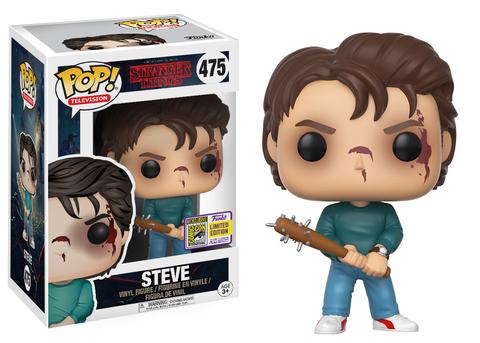
Funko’s own collecting guide describes a chase as an alternate version that differs from the standard release, such as a different outfit or a glow finish. Funko also says that many chase items are shipped randomly, so “chase” describes a product variation—not proof that every item in a listing is rare or valuable. Record the exact variation you can see rather than repeating a seller’s strongest adjective.
Separate the figure’s condition from the box’s condition
Condition is not one thing. An unopened box with a crushed corner is not the same as a loose figure with perfect paint, and neither should be described simply as “mint” without explanation.
For the figure, inspect paint lines, rub marks, stress whitening, bent or broken parts, missing accessories, loose joints, discoloration, odor, and signs of repair. Check that the sculpt matches the release you identified. A replacement accessory or a swapped figure can make an otherwise genuine box misleading.
For the packaging, check every panel and the window. Look for corner compression, creases, lifted cardboard, water damage, fading, torn seals, cloudy plastic, sticker residue, price labels, and mismatched printing. Photograph the box from all sides before opening it. If you collect in-box, packaging damage is part of the item’s condition. If you display loose, the box may matter less—but it can still help establish provenance and identity.
Use precise language in your own records: “figure clean; front window scratched; lower-right corner crushed” is useful. “Near mint” is much less useful unless the seller explains what that means and provides photographs.
Check the official license and the packaging
Licensed merchandise normally identifies the rights holder or copyright owner somewhere on the packaging, product, or accompanying material. A license mark is not a guarantee that a particular marketplace listing is genuine, but missing, blurred, misspelled, or implausible rights information is a reason to stop and investigate.
Compare the suspected item with photographs from the manufacturer or an established retailer. Look at typography, logos, character names, copyright lines, barcode placement, colors, registration marks, and the quality of the print. Packaging should be consistent across panels. A box with sharp front artwork but poor back-panel printing deserves scrutiny.
Funko says its packaging can include a window, a plastic insert, official UPC information, and stickers identifying an exclusive seller, event, or feature. That makes the box useful evidence, but not a shortcut: stickers can be moved, removed, or copied, and older releases may have different packaging systems. Treat an authentication sticker as one part of a verification process, not as permission to ignore the figure, box, seller, and purchase trail.
Recognise counterfeit red flags
No single flaw proves that a figure is fake. Several inconsistencies together should make a collector walk away or request better evidence.
- Price or scarcity claims that are dramatically different from comparable listings without an explanation
- Stock photos where the seller should be showing the exact item
- Blurry logos, incorrect fonts, misspellings, weak color matching, or copyright text that does not match known examples
- A product number, barcode, sticker, or box design that belongs to another release
- Rough molding, unusual plastic, sloppy paint, missing accessories, or a figure that does not seat correctly in its insert
- Seals that look cut and reglued, a window that does not fit the box, or packaging assembled from mismatched parts
- A seller who refuses close-ups, serial or batch photographs where relevant, a receipt, or a sensible return arrangement
Funko has described an Octane5 packaging sticker system designed to help buyers verify certain official products. That system does not mean every older figure has the same sticker, and it does not make a marketplace seller automatically trustworthy. Check the date and product context before treating a missing sticker as decisive.
When the stakes are high, use a specialist authentication service or an experienced collector who knows that product line. Do not try to “authenticate” a questionable figure by comparing it with one random internet photograph.
Document every purchase
A simple record protects the collection even if it never becomes an asset for resale. Save the listing URL, seller name, order number, date, amount paid, shipping cost, and payment method. Keep the invoice, receipt, messages, and the seller’s photographs. Take your own photographs when the package arrives, including the shipping label, outer box, inner packaging, all sides of the collectible, and any defect.
For an expensive or unusual purchase, write down why you believe it is the exact release claimed. Note the product number, exclusive sticker, included parts, and any difference from the standard version. If the item is returned, retain the tracking and refund record. This is especially useful when a collection contains several near-identical variants.
Store records in a folder with filenames that include the manufacturer, line, character, product number, and purchase date. A spreadsheet is enough. The goal is not bureaucracy; it is to prevent memory and marketplace language from becoming the collection’s only evidence.
Do not confuse limited, exclusive, and desirable
“Exclusive” can describe a sales channel. “Limited” can describe a stated production quantity or program. “Chase” can describe a randomly distributed variant. None of those words tells you what an item will sell for later.
Funko’s Limited Edition program describes limited piece counts and authentication stickers for products in that program. That is a claim about the program and its releases, not a promise of future demand. Likewise, a retailer exclusive may be easy to find after release, while a standard item may become more sought after because collectors actually want it. Availability and desirability are different questions.
Before paying a premium, ask three questions: Is this the exact version I want? Can I verify the condition and license? Would I still want it if the online conversation stopped tomorrow? If the answer to the last question is no, the purchase is probably hype-driven.
Build a collection around evidence and enjoyment
A sensible collection can focus on a character, costume, production design, franchise, sculpting style, or a personal memory. It does not need a complete set, and it does not need the version that social media currently treats as a trophy.
Buy from official stores, established retailers, conventions, or sellers with a clear history and return policy when possible. Compare several completed sales for market context, but do not treat asking prices as proof of value. Never borrow money for a collectible, and never assume a purchase will fund the next one.
The strongest collecting habit is boring: identify the item, inspect it, record it, and wait when the evidence is weak. That process will not guarantee a profit. It will give you something better—a collection of licensed figures you can explain, enjoy, and trust.
Notes
Funko, “Funko Pops! – The Sizes, Terms, and Variants”: https://funko.com/funko-blog-home/funko-pops-the-sizes-terms-variants-guide.html
Funko, “Celebrate National Packaging Design Day”: https://funko.com/funko-blog-home/pop-behind-the-scenes/pop-behind-the-scenes-celebrate-national-packaging-design-day-2023.html
Funko, “Funko x Octane5: New Stickers to Authenticate Your Collection”: https://funko.com/funko-blog-home/funko-x-octane5-new-stickers.html
Funko, “Limited Edition FAQ”: https://funko.com/limited-edition-faq.html
Funko, “Shop Collectibles With Chance of Chase”: https://funko.com/new-featured/chance-of-chase