
Disclosure: This article may contain affiliate links. If you buy through them, GrandCollector may earn a commission at no extra cost to you.
World coin collecting is the deep end of the hobby. Instead of one country’s series, you’re navigating hundreds of nations, thousands of denominations, and a century and a half of minting history. That sounds expensive. It doesn’t have to be. The collectors who build meaningful world coin collections on a budget pick a lane and stay in it.
Why World Coins Attract Collectors Who Get Bored Easily
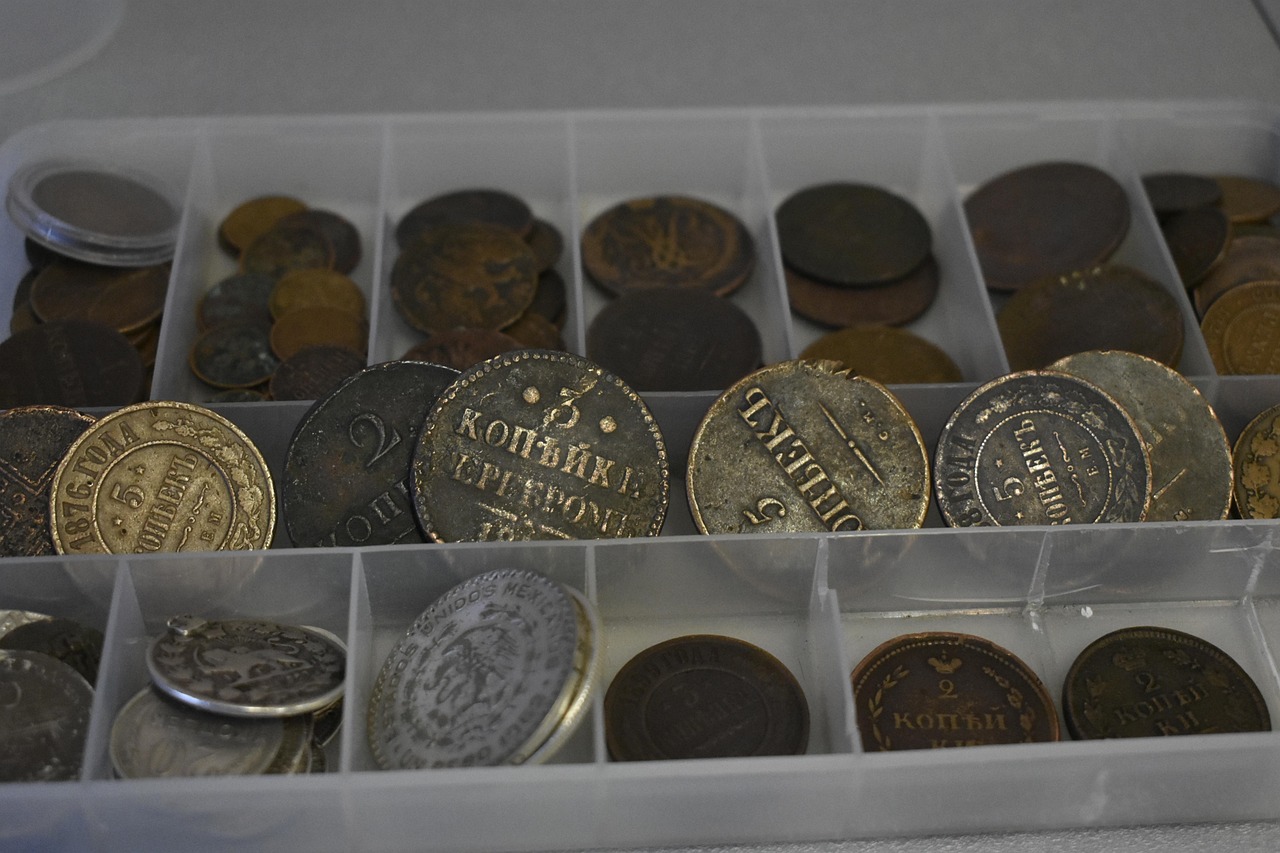
Nobody collects world coins because they ran out of US or UK coins to chase. They collect world coins because the variety is endless, a single country, an empire that no longer exists, a metal type, a design motif (animals, ships, monarchs), or a historical period. Every lane has its own pricing logic and community of specialists.
The best part for budget collectors: most world coins are cheap. A circulated 19th-century British penny costs less than a coffee. The gap between common and scarce in world coins is wider than in US numismatics. A common date is pocket change. A key date is a mortgage payment.
What Beginners Usually Get Wrong About World Coin Values
The first mistake: assuming old equals valuable. A Roman bronze coin from the 3rd century AD can cost less than a modern proof set. Ancient coins are not rare, the Roman Empire minted billions. Unless it’s a desirable type in exceptional condition, any ancient coin under a hundred dollars is common.
The second mistake: overpaying for silver content. World silver coins, 20th-century circulating silver from Europe and the Commonwealth, are priced primarily on melt value plus a small premium. A dealer pricing a circulated Canadian silver dollar like a rare numismatic item is pricing on hope, not market reality.
The third mistake: buying unidentified lots. eBay and estate auction “pound of world coins” listings are dealer culls, already picked over. You’ll get exactly what you pay for: common coins worth melt value at best.
How to Pick Your Lane Without Spreading Too Thin
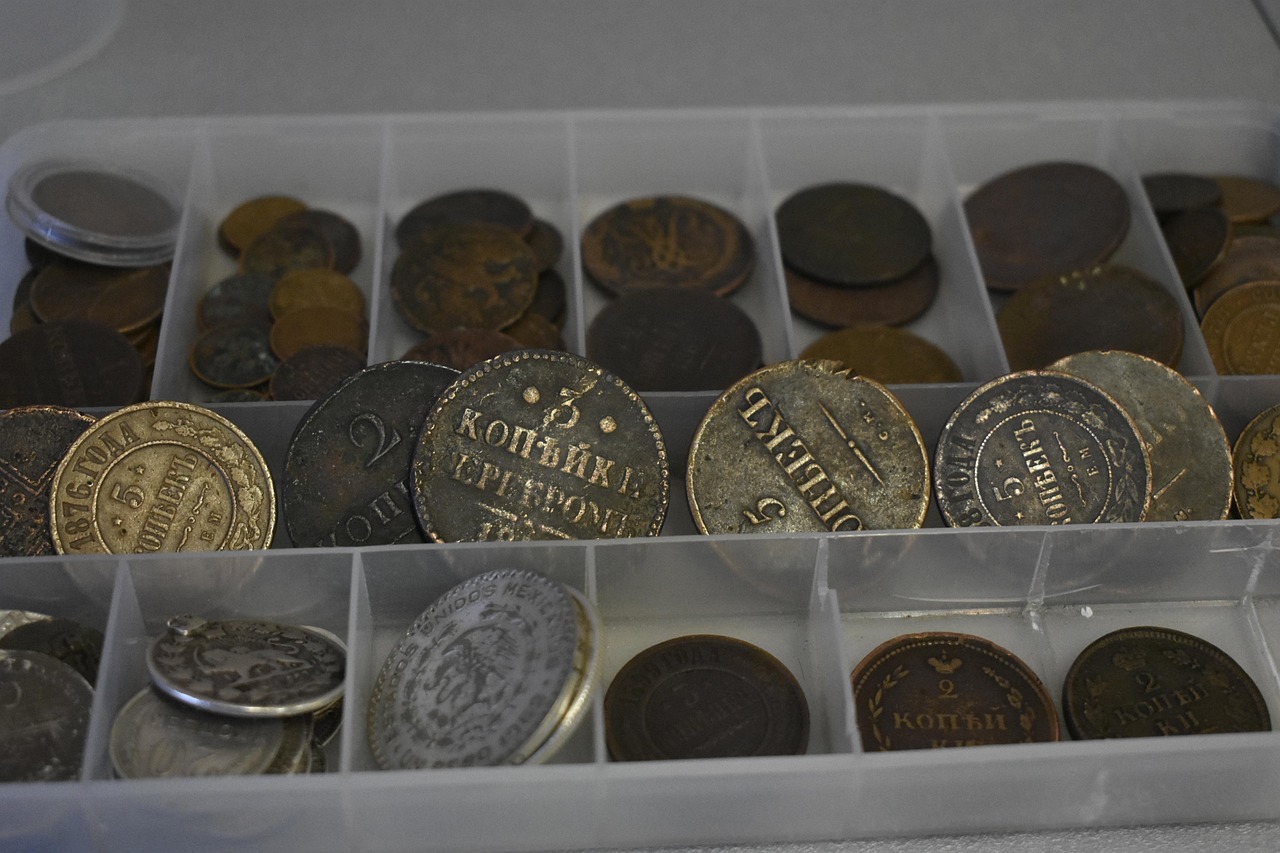
A world coin collection without boundaries is just a pile of coins. Pick one of these lanes and build depth within it before branching out.
Single country. Pick a country with personal meaning. Start with one era’s circulating coinage. Assembling a complete 20th-century type set for most countries is achievable on a modest budget.
Historical period. German States pre-1871, the British Empire at its height, the Latin Monetary Union, or post-Soviet Eastern Europe. Period collections tell a story most people don’t know.
Design theme. Animals, ships, monarch portraits, coat of arms. Theme collecting crosses borders freely, a collection of coins with elephants or lighthouses pulls from dozens of nations across centuries.
Metal type. Large 18th-19th century copper, crowns and talers, or modern bi-metallic coins. Metal collectors focus on weight, diameter, composition, and striking quality, the physical feel of coins as objects.
Where to Buy World Coins Without Overpaying
Coin shows. The best source for world coins at fair prices. Dealers bring bulk boxes organized by country that you can flip through. Common world coins at shows are often under a dollar each. Bring a list and a loupe.
Online marketplaces. eBay works for specific coins you’ve already researched. Never browse, always search for a specific date, country, and denomination. Filter by “sold” listings. Asking prices can be double or triple actual selling prices.
Dealer bulk bins. Many dealers have world coin bins organized by country with flat pricing (3 for a dollar, 5 for a dollar). Excellent for filling type sets and learning to identify countries by sight.
What to avoid. Auction house lots with buyer’s premiums, “unsearched” eBay lots (they’re searched), and sellers using “rare” for coins with hundreds of active listings. The word “rare” in world coin listings is a marketing term.
Authentication and Condition Checks That Matter for World Coins
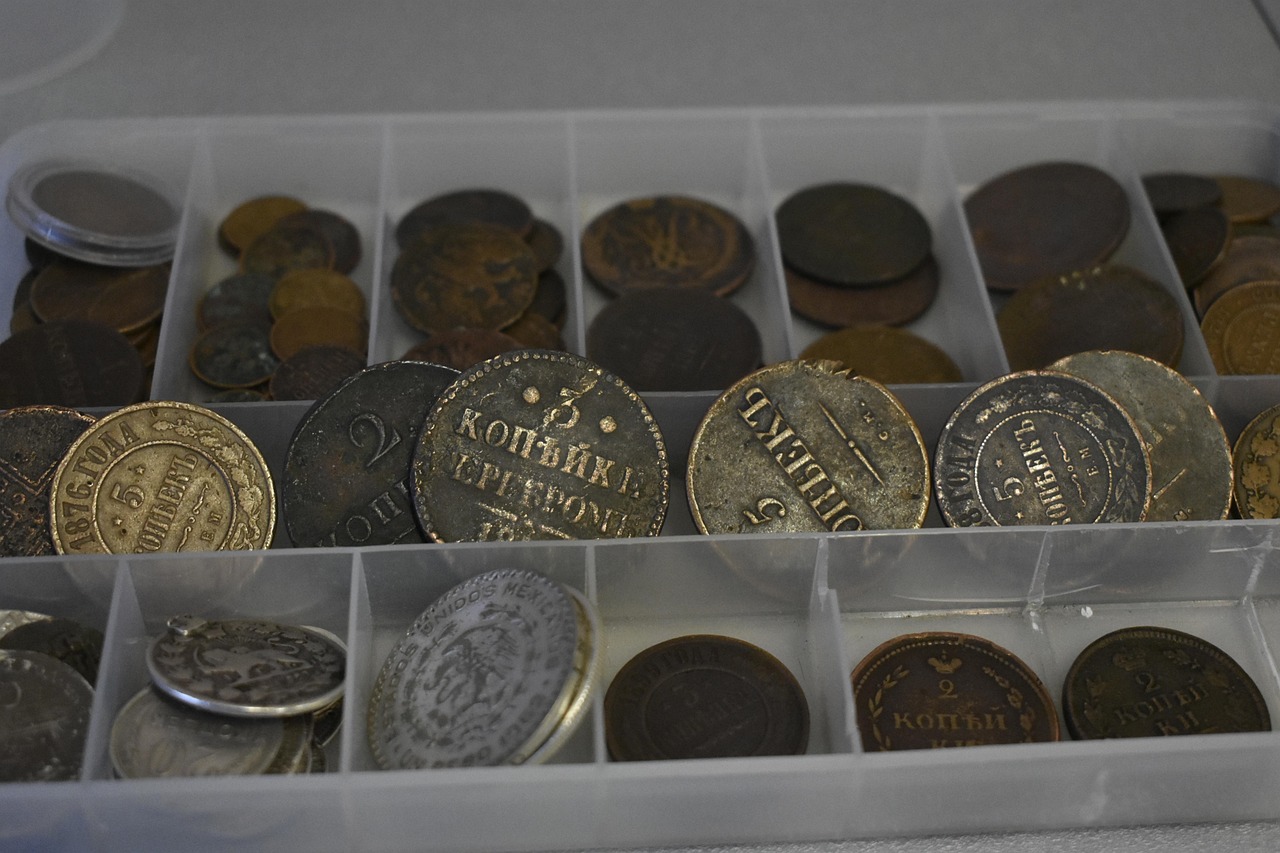
World coin authentication is different from US coin authentication. Counterfeits of common world coins are rare. The bigger risks are altered dates, artificial toning, and misrepresented condition.
Date alterations. Common in series where one date is worth significantly more. Under 5x magnification, tool marks around the altered digit are visible. If a key date looks too good for the price, check the digits carefully.
Cleaned coins. Cleaning hurts value. A cleaned coin has hairlines visible under light or an unnatural shine. Beginners often buy cleaned coins at uncleaned prices because they don’t recognize hairlines.
Artificial toning. Some sellers artificially tone silver coins to create rainbow colors. Natural toning forms over decades. Artificial toning is too even, too vivid, or concentrated around the rim. Compare against certified examples before paying a premium.
Storage That Doesn’t Destroy Your Budget or Your Coins
Silver and copper coins need protection from humidity and sulfur. Base metal coins (aluminum, zinc, nickel) are more forgiving but still corrode in poor conditions.
Use 2×2 cardboard flips with Mylar windows, the standard for budget collections. Write the country, year, denomination, and purchase price on the flip. Avoid PVC flips (and learn which common storage habits silently cost you grade points — coin storage mistakes that cost you grade points and how to fix them): the plasticizers leach over time and leave green slime that’s nearly impossible to remove. If it smells like a shower curtain, throw it out. For higher-value coins, inert plastic capsules are worth the extra cost. Silica gel packets in your storage box cost nothing and prevent more damage than anything else you can buy for under a dollar.
Selling and Trading Considerations
World coins are less liquid than US coins, the buyer pool is smaller. Selling takes patience, but buying opportunities arise from sellers who don’t know what they have. The most liquid world coins are silver crowns and talers, key dates from popular series, and high-grade examples with dedicated collector bases. Common circulated base metal coins are essentially illiquid, collect them for enjoyment, not resale.
When selling, eBay sold listings are the benchmark. Cross-reference with dealer guides and auction archives, eBay data thins out for less common countries. A coin with two sold listings in a year may not reflect true market price.
Common Red Flags in World Coin Buying
“Unsearched” anything. There is no such thing. Every dealer knows how to identify key dates, silver content, and sensitive types. “Unsearched” means “we already pulled everything interesting and you’re buying the leftovers.”
Overgraded raw coins. Many world coin sellers grade generously. A “BU” coin from a seller who grades everything BU is probably AU or lower. Learn to grade before paying uncirculated prices Related: How to Grade Coins at Home Before Sending to PCGS or NGC — world coin grading follows the same principles as US coins. Learn to assess condition before you buy so you don’t pay uncirculated prices for cleaned or overgraded raw coins..
Fake key dates from China. The same factories that produce fake US key dates produce fake world key dates, British 1933 penny, Canadian 1921 50-cent, German New Guinea coins. Buy these certified or from dealers who guarantee authenticity.
Melt value dressed as numismatic value. Circulated 20th-century silver coins from most countries trade at or near melt. A seller pricing at significant premiums over melt without justification is hoping you won’t check. Weigh the coin, calculate the silver content, compare against spot price.
Final Practical Advice
World coin collecting rewards patience and focus more than almost any other numismatic lane. The collectors who build the most satisfying collections aren’t the ones with the biggest budgets. They’re the ones who picked a lane, learned it deeply, and spent years filling holes at coin shows, dealer bins, and online auctions rather than buying every shiny thing that crossed their path.
Start with a single country’s 20th-century type set. If you enjoy the thrill of discovery, try coin roll hunting — another low-cost way to build a collection where every sealed roll is a mystery until you open it. It’ll teach you more about grading, pricing, and the market than any guide ever will. The coins are cheap enough that mistakes don’t hurt, and completing even a small set gives you the confidence to tackle bigger collections. Most importantly, you’ll learn what you actually enjoy collecting, and that’s worth more than any coin you’ll ever buy.
Notes
[1] World coin pricing relies on Krause Publications’ Standard Catalog of World Coins, NGC and PCGS population and price guides, and eBay sold listings filtered by country. No single source is authoritative for every country.
[2] Silver spot price provides the floor for circulating world silver coins. Common 20th-century silver coins without numismatic premium trade at or near melt. Check current spot before paying more than a modest premium.
[3] Counterfeit detection follows the same principles as US coins: weight, diameter, edge characteristics, and magnetic properties. NGC and PCGS maintain online databases of known counterfeit types by country.
🛒 RECOMMENDED FOR WORLD COIN COLLECTORS
- silica gel packets for humidity control — silica gel packets for use in a suitable outer storage container. Once you build a world coin collection, capsules protect key dates, silver coins, and sensitive types from the handling damage and environmental exposure this article warns about. Fits coins 17-30mm, covering most world denominations from 19th-century copper to modern bi-metallics.
- Dry & Dry 5 Gram Silica Gel Packets (50 Pack) — Premium indicating silica gel with color-changing beads. Drop 3-5 packets into your world coin storage box to control humidity and prevent the corrosion and toning that ruin circulated silver and copper coins over time. Essential for any collector storing world coins long-term, especially in humid climates.
- 1600X USB Digital Microscope with Adjustable Metal Stand for Coin Inspection — USB microscope with 8 adjustable LED lights. Essential for world coin authentication: examine altered dates, check for cleaning hairlines, verify mint marks, and compare die varieties against reference images. Helps you avoid the overgraded, cleaned, and altered coins this article warns about.
Disclosure: This article contains affiliate links. GrandCollector may earn a commission at no extra cost to you.