

There isn’t one correct way to collect a Funko Pop. Keeping a figure in its original box can make handling, storage, and a future sale simpler. Taking it out can make the character easier to see, photograph, and enjoy. The sensible choice depends on what you want from that particular piece—not on a fixed percentage or a promise that every boxed Pop will rise in value.
Start with the reason you bought it
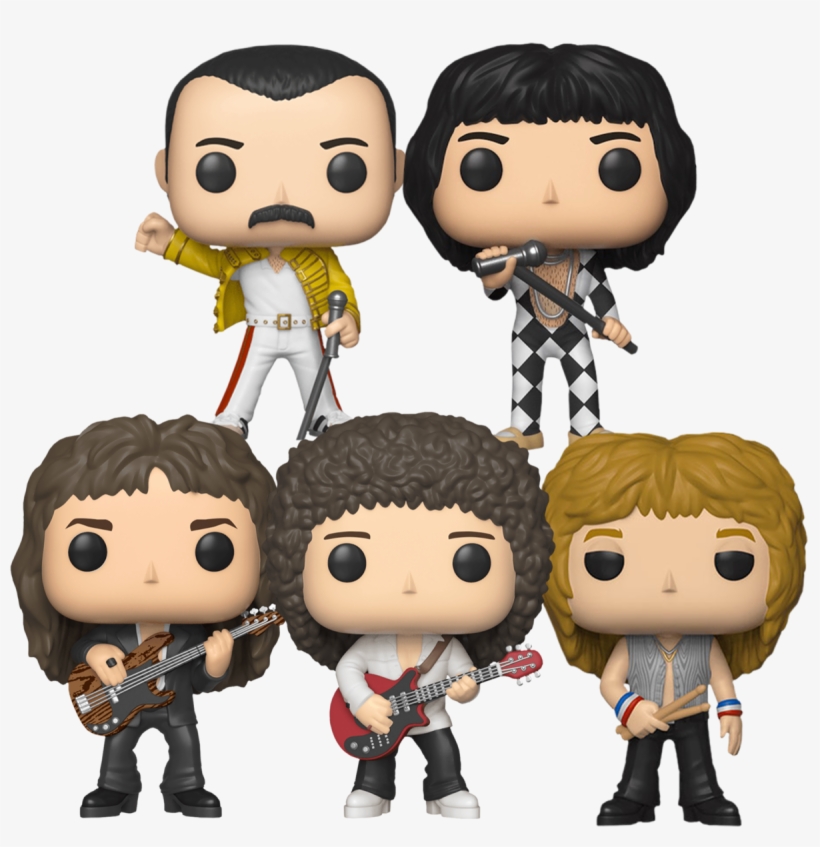
If the main goal is display, an out-of-box (OOB) figure may be the better format. You can see the sculpt from more angles, arrange figures into scenes, and avoid glare from the plastic window. OOB collecting also makes sense for figures you want to photograph, handle occasionally, or use as part of a themed shelf.
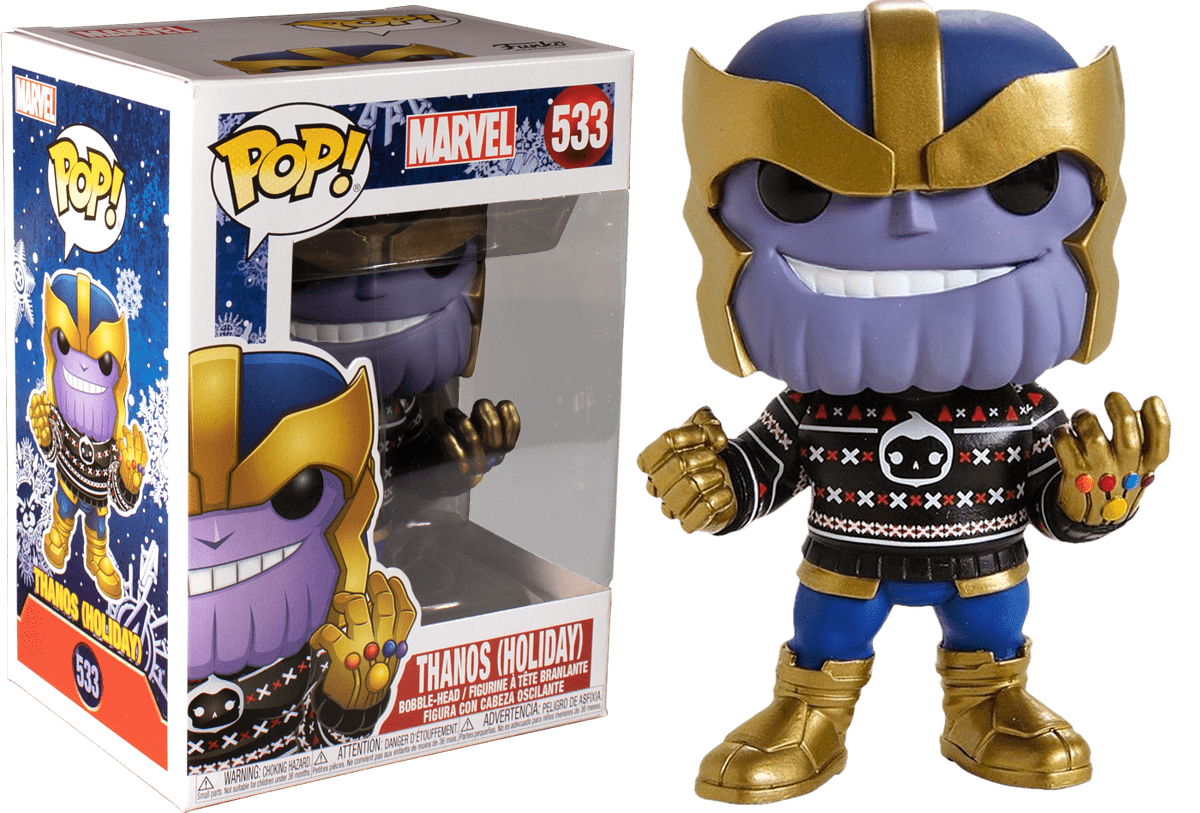
If you enjoy the packaging, want a compact archive, or may sell later, keeping the Pop in the box preserves more of the original product presentation. That doesn’t make the box a guarantee of profit. It simply gives a buyer the figure, packaging, printed details, and any original sticker or insert together.

What the box protects—and what it cannot
Funko describes its packaging as protection for the collectibles inside. In practical terms, the box can reduce dust and help shield a figure from knocks during storage or transport. It can also keep the product identified: the character name, number, collection artwork, and exclusive markings are easier to verify when the original packaging is present.
The box is still paperboard and clear plastic. Corners can soften, windows can scratch, stickers can lift, and printing can fade. The figure can also develop paint rub, loose parts, leaning, or other manufacturing and handling issues while boxed. Funko’s own replacement policy says that slight manufacturing variations, figure positioning, sticker placement, and minor packaging blemishes aren’t automatically defects. Don’t confuse “in box” with “mint.” Inspect both the package and the vinyl figure.
Storage choices matter more than a slogan
For boxed Pops, store the package upright on a stable shelf rather than compressing a tall stack. Keep it away from direct sunlight, radiators, damp areas, and rapid temperature changes. Leave enough room to remove a box without dragging its corners across another one. A soft protector can help against dust, fingerprints, and light contact, but it isn’t a substitute for sensible conditions or careful handling.
For OOB figures, use a level, dust-controlled display surface. Keep them away from strong sunlight and heat, which can affect plastics, paint, and adhesives over time. Handle a Pop by its sturdier body areas rather than thin accessories or projecting parts. If a figure has a stand, companion, or removable accessory, keep those pieces together and label the storage container.
Display is a trade-off, not a test of seriousness
Boxes give a collection a uniform, easily identifiable front and can make a large group easier to catalogue. OOB figures usually need more shelf depth and more careful spacing, but they can create a livelier display. Neither format proves that one collector is more committed than another.
A practical compromise is common: keep scarce, signed, convention-exclusive, or especially fragile pieces boxed, while opening common figures bought primarily for enjoyment. You can also keep the box and display the figure temporarily, provided the packaging is stored safely and the figure can be returned without forcing it into place.
Provenance helps, but it isn’t magic
Keep receipts, order confirmations, event details, and clear photographs of unusual stickers or limited-edition packaging. Note where a Pop came from and when you bought it. This record can answer ordinary buyer questions and make it easier to distinguish a genuine purchase from an item with an uncertain history.
Provenance does not automatically authenticate a figure or set a price. Marketplace listings may show asking prices rather than completed sales, and exclusive status alone does not guarantee demand. If authenticity is in doubt, compare the item with reliable product references and ask an experienced specialist before paying for an expensive collectible.
Resale value is uncertain
An original box often broadens the pool of buyers because some collectors specifically want complete, boxed examples. An OOB Pop may still sell, especially when the character is desirable, the figure is clean, and the seller accurately describes what is included. The difference can be substantial for one release and modest for another; it is not responsibly expressed as a universal 70%, 147.49%, or any other fixed loss.
Prices change with supply, licensing, character popularity, release variants, condition, shipping costs, and the venue used. Before selling, compare several recent completed transactions for the same box number and variant. Treat a quoted value as a snapshot, not an investment forecast. A purchase made for enjoyment should remain worthwhile even if the resale market cools.
Does a Funko Pop need a grade?
Don’t assume that a standard toy-grading number applies automatically to every Funko Pop. A third-party service may offer its own authentication, encapsulation, or condition assessment, but that is separate from Funko’s product terminology and does not create a guaranteed market premium. A “10” from one service is not a universal promise that a buyer will pay a particular amount.
For most collectors, careful inspection and honest description are more useful than chasing a grade. Record flaws such as creased corners, window scratches, sticker damage, paint defects, missing accessories, or a replacement box. If you do use a grading or authentication service, check its current fees, scope, and buyer recognition first.
A simple decision checklist
- Open it if seeing, photographing, or arranging the figure is the main point and the item is replaceable at a price you accept.
- Keep it boxed if packaging is part of the appeal, storage efficiency matters, or you want the widest resale options later.
- Pause before opening if the Pop is rare to replace, signed, unusually expensive, a convention or retailer exclusive, or still sealed with documented provenance.
- Choose a hybrid approach if different figures serve different purposes. A collection does not need one rule for every box.
Bottom line
Keep a Funko Pop in the box when the packaging, protection, and future flexibility matter most. Take it out when direct enjoyment and display matter more. Protect whichever format you choose, document what you own, and make decisions based on the specific release and your own priorities. The box can influence condition and buyer interest, but it cannot predict the future price.
Notes
Funko, “Funko 101 – Glossary of Terms,” official terminology for Pop! sizes, variants, and related product terms: https://funko.com/funko-blog-home/funko-101-glossary-of-terms.html
Funko, “Replacement Policy,” official notes on packaging protection, manufacturing variations, figure positioning, stickers, and packaging blemishes: https://funko.com/replacement-refund-policy/replacement-refund-policy.html