

Displaying Funko Pops is less about finding the most impressive wall and more about controlling the risks that damage figures, boxes, and the people around them. Before arranging a collection, check the wall, the mounting method, the room environment, and how often the pieces will be handled. A good display keeps the collection visible without turning every figure into a fall hazard or every box into a dust and sunlight trap.

Start with the wall and its load
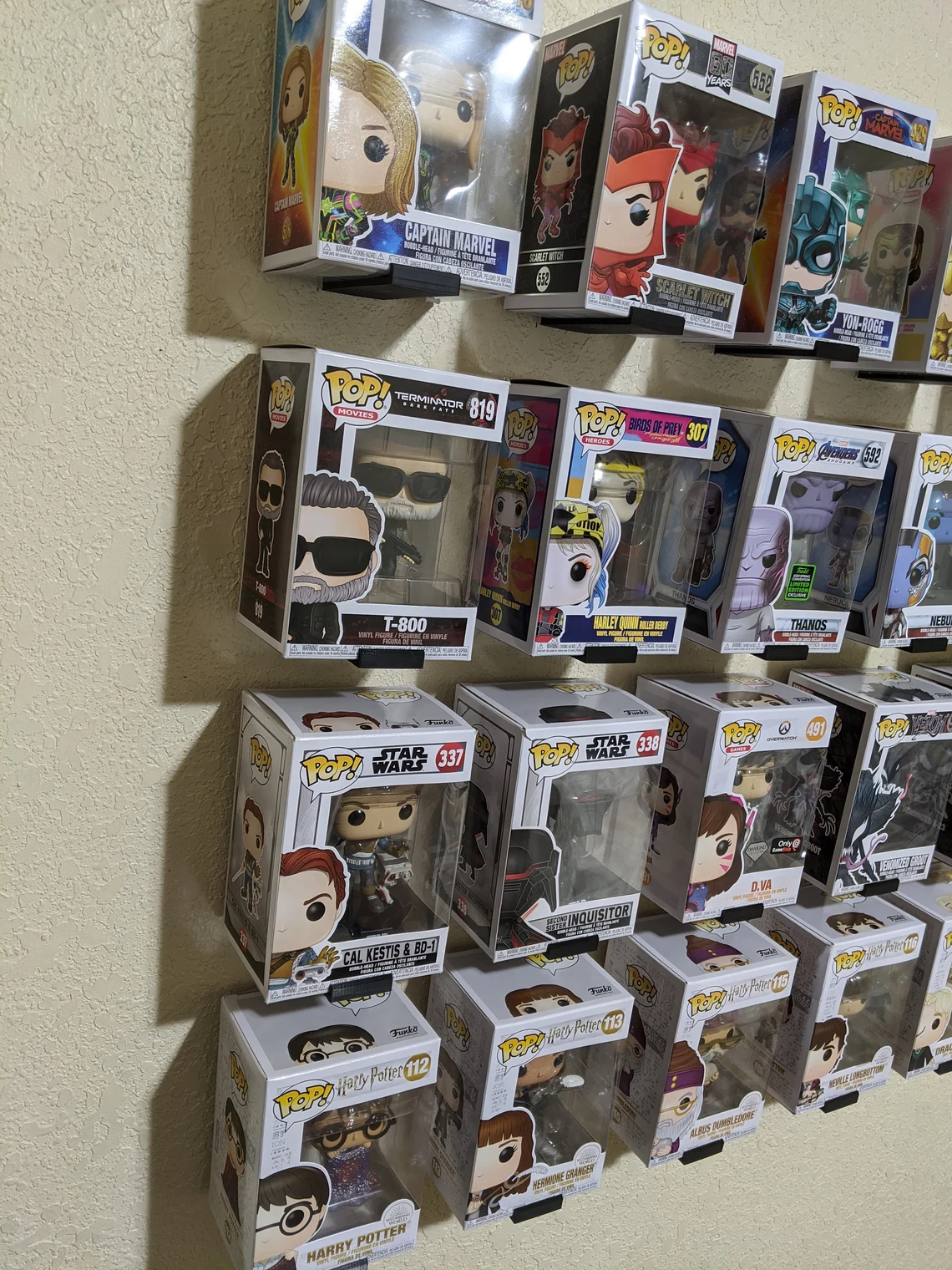
A shelf or wall display transfers weight to the wall, its fasteners, and sometimes a single bracket or rail. Do not assume that a light-looking vinyl figure makes the whole installation light. Add the weight of the shelf, risers, cases, and every boxed figure, then leave a safety margin below the hardware’s stated working load. The manufacturer’s load rating is only useful when the fastener, wall type, spacing, and installation method match the stated conditions.
Locate studs where possible. For other wall positions, use anchors designed for the actual wall material and follow their installation instructions. Plasterboard, masonry, and older plaster walls require different approaches. Never rely on a small nail, adhesive strip, or an untested hook for a loaded shelf above a bed, desk, or walkway. If the wall is damaged, damp, unusually thin, or carrying an uncertain load, postpone the installation and ask a qualified installer to assess it.
Secure the display, not just the shelf
A level shelf can still allow a figure or box to slide during a bump, vibration, or minor earthquake. Use a shelf with a retaining lip or another reversible restraint that does not press hard against the figure. Keep heavy items low and avoid placing tall stacks near an edge. Do not stack boxes so high that the bottom box is crushed or the arrangement becomes unstable.
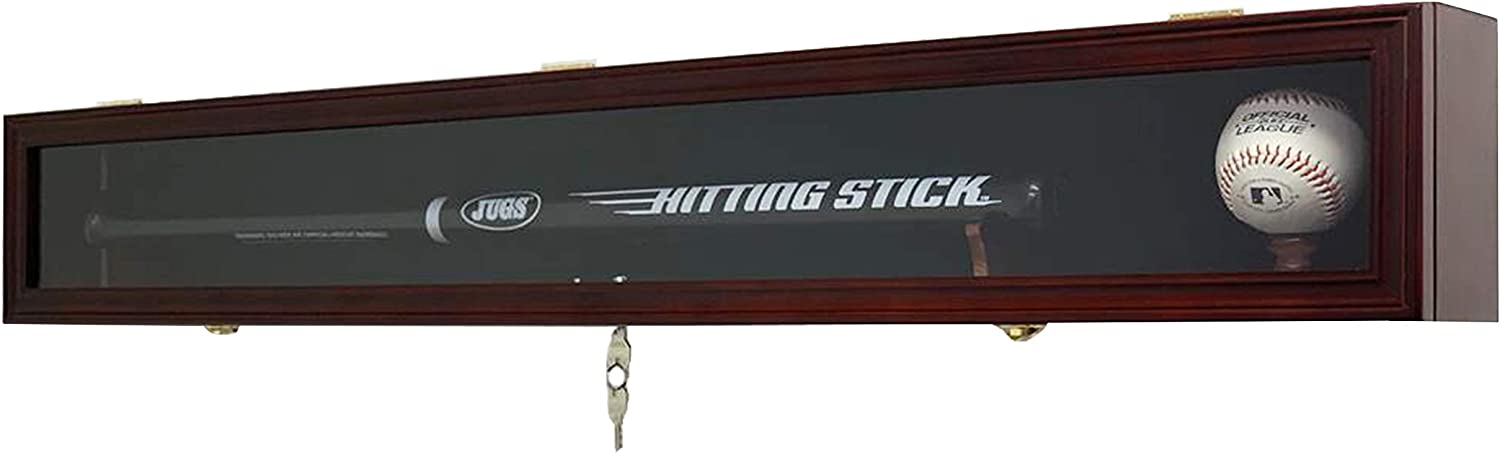
For wall-mounted cases, secure the case at every required fixing point and check the fasteners periodically. Freestanding units should be anchored against tipping, especially in homes with children or pets. Place figures so doors, drawers, and walking routes remain clear. A display is not secure if opening a nearby cabinet knocks it, or if a visitor must reach across unstable rows to see the back.
Control light, dust, temperature, and humidity
Direct sunlight is a predictable source of fading. Ultraviolet and visible light can gradually alter printed box colors, logos, and painted surfaces. Keep the collection away from direct sun and rotate pieces if one side receives substantially more light. Window coverings, UV-filtering glazing, or a closed cabinet can reduce exposure, but no filter makes prolonged bright light harmless. Switch display lighting off when the room is empty and avoid placing hot lamps close to vinyl or cardboard.
Dust is abrasive when wiped across a surface and can collect in seams, textured paint, and box corners. Dust shelves and surrounding surfaces with a clean, soft tool, working gently rather than rubbing grit into the finish. For boxed figures, handle the carton by its stronger sides and use clean, dry hands. Avoid spraying cleaner, water, or polish near figures and cardboard. If a piece needs more than light surface cleaning, consult the manufacturer’s care guidance or a conservation professional rather than testing a solvent on the visible area.
Keep the collection in a stable, ordinary indoor environment. High heat can soften or distort some plastics and adhesives; cold can make materials more brittle. High humidity encourages mold and can damage cardboard, while very dry conditions may increase brittleness in some materials. Avoid garages, attics, unheated sheds, bathrooms, kitchens next to cooking steam, and locations beside radiators or air-conditioning outlets. Stability matters: repeated rapid changes can be more stressful than a modest variation within a normal living space. A small room thermometer and humidity monitor can reveal a problem before the collection shows it.
Choose between boxed and out-of-box display
Keeping a Pop in its original box protects it from some handling, dust, and accidental contact, but the box itself needs care. Do not compress cartons in tightly packed rows, place heavy objects on them, or store them directly on a damp floor. Leave enough clearance to remove a box without scraping neighboring edges. Clear plastic bags or containers should only be used when they are clean, dry, and suitable for storage; trapping moisture around cardboard can create a bigger problem.
Out-of-box display makes the figure easier to see and enjoy, but it increases exposure to dust, light, knocks, and handling. Use a stable surface and keep the figure away from edges. Avoid forcing parts into poses they were not designed to hold. If the collection has sentimental or unusually fragile pieces, consider a protected case or a mixed arrangement: frequently enjoyed figures in accessible positions and less-handled examples in a covered, lower-light area.
Make the collection accessible
A collection that cannot be reached safely will eventually be pulled from the wrong angle. Keep everyday-access pieces between comfortable heights, and reserve high or awkward locations for items that do not need regular handling. Leave a clear route for cleaning and inspection. When removing a figure, support the base and body instead of pulling on a projecting accessory, ear, hand, or other thin part. Return it to the same stable position rather than balancing it against another figure.
Document what you own
A simple inventory is useful even when the collection is not being bought or sold. Record the character or set name, box condition, whether it is boxed or out of box, notable damage, and the date of the last inspection. Add photographs of the front, back, bottom, and any existing marks or damage. Store the inventory separately from the display area and keep a backup. Do not publish serial numbers, addresses, receipts, or other personal information with public collection photos.
Documentation also helps with insurance discussions, family records, moving, and identifying a missing piece. It is not proof of market value, authenticity, or future appreciation. If value matters, retain purchase records and obtain an independent appraisal or insurer’s advice rather than relying on an online listing or an unsupported price estimate.
Notes
[1] U.S. Consumer Product Safety Commission, Anchor It! guidance on preventing furniture and television tip-overs: https://www.anchorit.gov/
[2] Library of Congress, Care, Handling, and Storage of Collections guidance on light, temperature, relative humidity, dust, and handling: https://www.loc.gov/preservation/care/
[3] Canadian Conservation Institute, Basic Care of Collections guidance on preventive conservation and environmental stability: https://www.canada.ca/en/conservation-institute/services/care-objects.html