

Disclosure: This article may contain affiliate links. If you buy through them, GrandCollector may earn a commission at no extra cost to you.
A good display does more than make a collection visible. It keeps boxes from being crushed, reduces dust and light exposure, and makes it easier to handle each figure without knocking over a whole row. There is no single correct way to display Funko Pops. The right choice depends on whether you value the printed box, the figure itself, or an easy-to-clean arrangement.

Decide Between In-Box and Out-of-Box Display
In-box display protects the figure from routine handling and keeps the packaging with it. It also makes the collection easier to identify and rearrange. Leave enough clearance around every box so corners are not pressed against a shelf, another box, or a door. Do not stack heavy rows on top of loose, unsupported boxes, because the lower packaging can bow or crease over time.
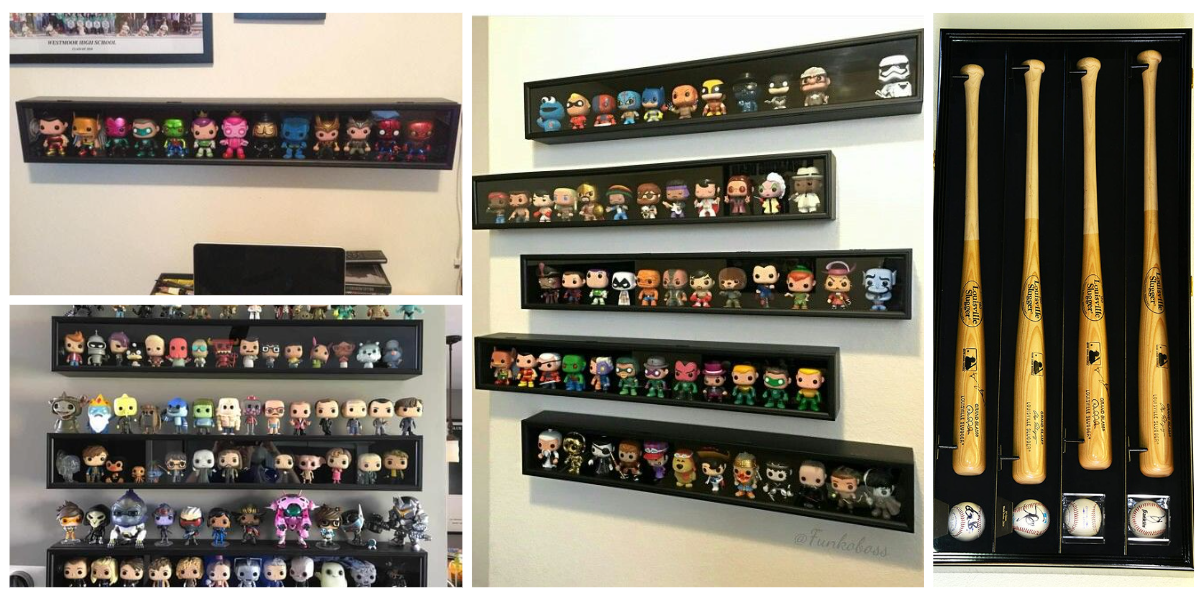
Out-of-box display makes the sculpt, paint, and accessories easier to see. It also removes the box as a protective barrier, so figures are more exposed to dust, sunlight, accidental contact, and falls. Keep the original packaging flat or upright in a dry place if you may want it later. Do not force a figure back into packaging if a part, stand, or accessory catches on the plastic insert.
A mixed display is often the most practical arrangement. Keep figures with fragile boxes, sentimental value, or accessories in their packaging, and display sturdy duplicates or less condition-sensitive pieces out of the box. This is a storage decision, not a rule about which format is more legitimate.
Control Light and UV Exposure
Direct sunlight is a poor choice for any long-term collection. Light can fade printed cardboard and coloured surfaces, while ultraviolet radiation accelerates damage to many plastics, inks, and coatings. A bright window can also heat a display case unevenly. Place shelves away from direct sun, skylights, and strong lights that remain on for long periods.
Use curtains, blinds, UV-filtering window film, or a cabinet positioned in a shaded part of the room when needed. UV protection is helpful, but it does not make an object safe in direct sun, and ordinary glass is not a complete substitute for controlling exposure. Turn display lighting off when the room is empty. If a piece is especially sensitive or valuable to you, rotate it with a darker storage location and photograph it periodically so fading is easier to notice.
Keep Temperature and Humidity Stable
Keep the collection in a normal, stable indoor environment rather than an attic, garage, shed, or damp basement. Avoid radiators, heating vents, air-conditioning outlets, and exterior walls that experience large temperature swings. Excess heat can soften or distort some plastics and adhesives. High humidity can encourage mould on paper packaging and can increase the flexibility and weakening of some plastics. Rapid changes can be as troublesome as an uncomfortable average.
A practical target is a cool, dry room with moderate, steady relative humidity. A small hygrometer can reveal whether a shelf is exposed to a problem that is not obvious by feel. If humidity is regularly high, improve room ventilation or use appropriate climate control before sealing the collection in a case. Do not place a damp figure or box into a closed cabinet.
Check Shelf Load and Secure the Display
Use shelving that is rated for the total load, not just the weight of one figure. Add the weight of every box, riser, cabinet door, and any stored accessories. Follow the furniture maker’s load rating and installation instructions, and attach tall units to the wall where the manufacturer recommends it. Adjustable shelves should sit fully in their supports, with no corner perched on an incomplete fitting.
Keep the heaviest items low and leave a little space at the sides and back for safe removal. Avoid overcrowding. A tightly packed row is harder to clean and makes one falling figure more likely to damage its neighbours. On open shelves, use a low-profile non-permanent support where appropriate, especially in earthquake-prone areas or homes with pets and children. Keep displays away from edges, door swings, and places where a sleeve or cable can catch them. Test a cabinet door gently after arranging the collection so it does not touch the boxes or figures.
Reduce Dust and Clean Carefully
Closed cabinets reduce dust, but they do not remove the need for cleaning. Dust the shelf and surrounding room regularly so particles are not blown back onto the collection. For loose figures, use a clean, soft brush or a hand-operated air blower while supporting the figure from its base. A vacuum cleaner can create static, pull at small parts, or knock figures over if its nozzle gets too close.
For boxes, start with a soft, dry microfiber cloth or a clean soft brush. Do not use water, household spray, alcohol, or abrasive cleaners on printed cardboard. For a figure, avoid soaking, scrubbing, or applying chemicals unless the manufacturer specifically permits them. If a surface is sticky, discoloured, cracked, or shedding paint, stop and seek advice from a conservator or experienced restoration professional. Always handle figures with clean, dry hands and lift boxes from their base rather than dragging them across a shelf.
Document the Collection as You Arrange It
Take a clear photograph of each item and record its character or set name, box condition, accessories, purchase date if known, and current location. A simple spreadsheet can include an inventory number, in-box or out-of-box status, notes about damage, and links to the photographs. Record changes when a figure is moved, opened, repaired, or loaned. Keep a backup in a separate location, and do not put sensitive account or payment information in the inventory.
Documentation helps with insurance conversations, household planning, and future identification. It also creates a condition record. Photograph the front, sides, and any existing crease, tear, paint issue, or missing accessory before cleaning or changing the display. That record is more useful than a vague claim that an item was once in perfect condition.
Disclosure: This article may contain affiliate links. If you buy through them, GrandCollector may earn a commission at no extra cost to you.
Display Supply to Consider
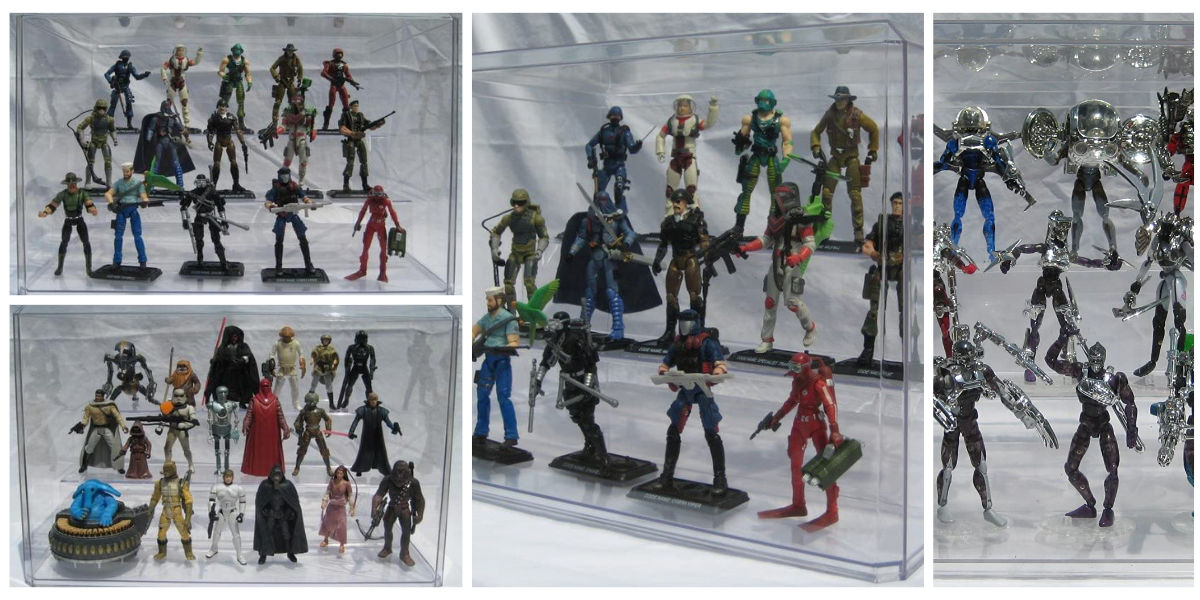
A small acrylic display case can reduce routine dust exposure and make shelf organization easier. Check the dimensions carefully: this particular style is intended for loose figures and is not suitable for boxed Funko Pops.
Notes
General preservation guidance was checked against the Library of Congress, “Limiting Light Damage,” https://www.loc.gov/preservation/care/light.html.
Plastic, temperature, humidity, and light guidance was checked against the Canadian Conservation Institute, “Caring for plastics and rubbers,” https://www.canada.ca/en/conservation-institute/services/preventive-conservation/guidelines-collections/caring-plastics-rubbers.html.
Shelf installation and load limits should follow the instructions supplied with the particular furniture or display case. No product, price, availability, or investment claim is made here.