
No, it isn’t weird to collect Funko Pops. It is a hobby built around licensed characters, stylized design, nostalgia, and the satisfaction of organizing a group of related objects. Some collectors buy one figure from a favorite film. Others build a complete character line, display figures by franchise, or collect only designs they genuinely like. None of those approaches is more legitimate than the others.
The useful question isn’t whether the hobby looks unusual to someone else. It is whether collecting fits your interests, your budget, your available space, and your wider life.
Why people collect
Collecting can serve several purposes at once:
- Connection to a fandom: A figure can represent a favorite character, story, game, sports team, or childhood memory.
- A clear project: Choosing a theme, series, or character gives the hobby structure and a reason to research.
- Display and design: The figures and their boxes can be treated as decoration, especially when arranged by color, franchise, or release.
- Community: Collectors share photographs, compare versions, attend events, and help one another identify releases.
- A manageable treat: A planned purchase can be a small leisure activity, as long as it does not displace necessities.
It is also fine not to pursue a complete set. “Completion” is a rule a collector creates, not a requirement imposed by the hobby.
Set a budget before the hunt
Funko collecting becomes easier to manage when the spending limit is decided before browsing. Treat purchases as discretionary entertainment, not as savings, emergency money, or a substitute for paying bills. A simple system is to set a monthly or quarterly hobby allowance, record every purchase, and stop when the allowance is used.
Include the less obvious costs: shipping, display furniture, protective cases, event travel, storage supplies, and taxes where applicable. If a purchase requires borrowing, carrying a credit-card balance, skipping an essential bill, or concealing the amount from someone who shares finances with you, it is not a responsible purchase.
There is no universal “correct” collecting budget. A small, deliberate collection is just as valid as a large one. Waiting for a planned purchase can also reveal whether you want the figure itself or simply the excitement of finding it.
Storage and display without taking over the room
Decide early whether the collection is primarily for display, for keeping in original packaging, or for a mixture of both. In-box collecting needs clean, dry shelving and enough room to remove and inspect boxes without crushing corners. Out-of-box displays need stable shelves and protection from falls, dust, direct sunlight, and heat. A crowded shelf is harder to clean and makes it difficult to notice damage.
Keep boxes and figures away from damp areas, radiators, hot vehicles, and strong sunlight. Avoid stacking heavy items where a collapse could injure someone or damage the collection. Labeling storage containers by franchise or character can prevent duplicate purchases and make insurance or moving inventory simpler. A basic spreadsheet or phone photo log is usually enough; a complex database is optional.
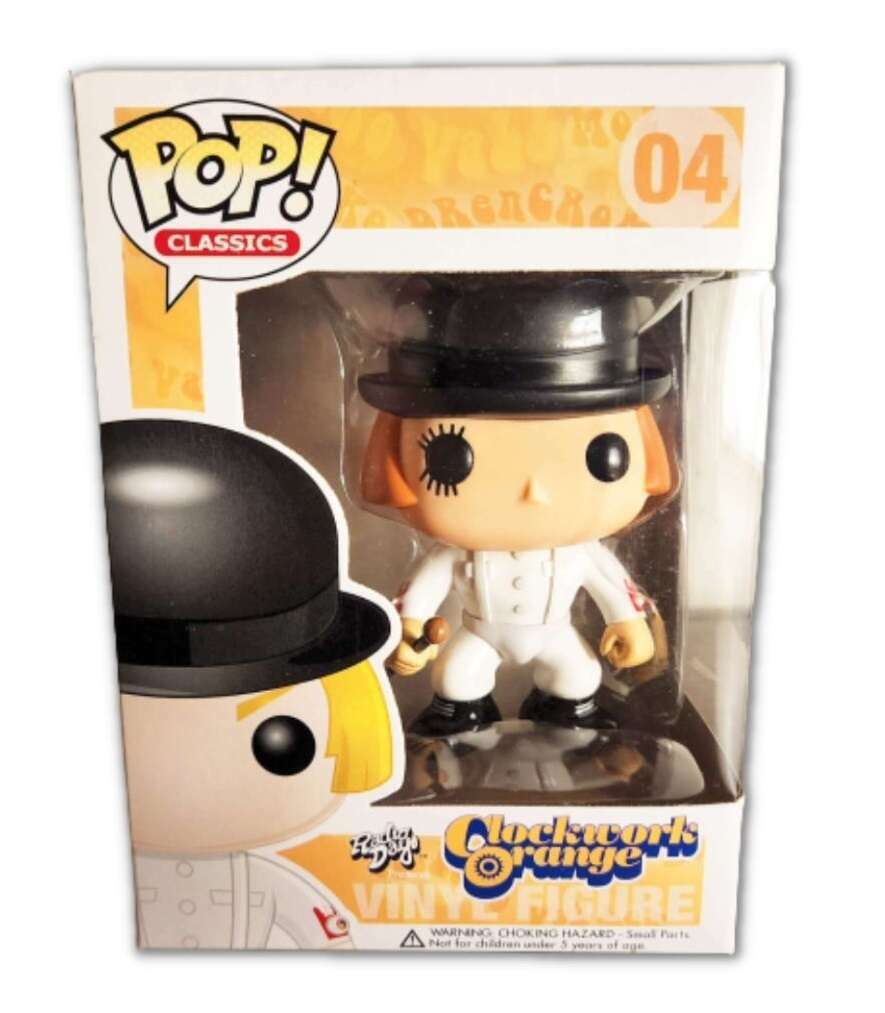
Set a physical limit, such as one cabinet, one shelf, or a fixed number of storage bins. When that limit is full, choose whether to pause buying, rotate the display, or sell and donate items that no longer fit the collection.
Social pressure and the chase for exclusives
Collector communities can be welcoming, but social feeds also make every release feel urgent. Photos of large hauls, convention exclusives, limited editions, and “must-have” lists can turn personal enjoyment into a competition. A sold-out announcement may describe availability, not importance. Scarcity and social proof are marketing signals, not proof that a figure is better or that its future value is guaranteed.
Make a want list and rank it by personal interest. Before buying, ask: Would I still want this if nobody posted about it? Do I like the character or design, or am I reacting to fear of missing out? Do I already own a similar version? Can I afford it without changing another plan? A pause of a day or a week can break the pressure of an impulse purchase.
Be courteous about different collecting styles. Some people open every box; others protect packaging. Some collect only one franchise; others collect whatever makes them smile. There is no need to defend a modest collection or mock a large one.
Responsible buying and avoiding hype
Buy from sellers who clearly describe condition, edition, and return terms. Check photos for the actual item when condition matters, and keep receipts or order records. Be cautious with listings that use dramatic claims such as “guaranteed investment,” “rare forever,” or “will only go up.” Retail exclusivity, a low current supply, or a high asking price does not establish lasting demand.
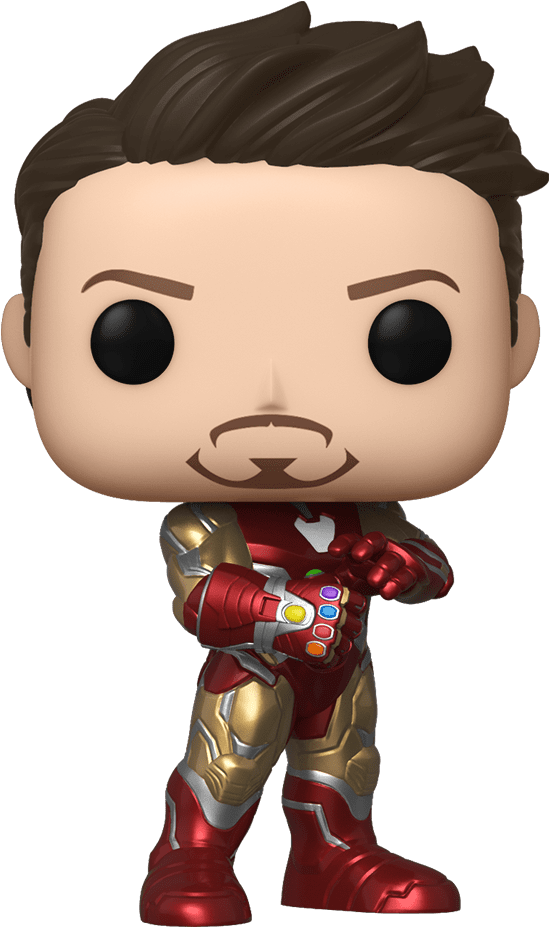
Prices can vary by place, condition, timing, and buyer interest. A listing price is not the same as a completed sale, and a price guide is not a promise. If value matters to you, compare recent completed transactions from reputable marketplaces and remember that selling can involve fees, shipping, returns, and time. The safest reason to buy is that you enjoy owning the item, not that you expect it to fund a future goal.
Watch for counterfeits and misdescribed products when buying second-hand. Compare the item with official product photographs, inspect printing and paint quality, and ask for clear photos of the box and figure. If a deal seems too good to be true, walk away rather than letting urgency make the decision.
When collecting stops being helpful
A collection may need a reset when buying causes missed payments, debt, repeated arguments, secrecy, guilt, or persistent anxiety. Other warning signs include purchasing items you do not want, being unable to pause despite deciding to stop, or using shopping as the only way to manage stress. These signs do not mean a collector is “weird” or morally weak. They mean the behavior deserves attention and support.
Physical warning signs matter too. If boxes block exits, make rooms unsafe, prevent normal use of furniture, or create dust, pest, fall, or fire concerns, reduce the collection and restore safe access first. A general practitioner, licensed mental-health professional, or local support service can help when spending or accumulation feels beyond your control. Hoarding disorder is a mental-health condition; a large, organized collection is not automatically hoarding.
A practical reset can start with a pause on new purchases, an honest review of recent spending, and one small decluttering session. Sell, gift, or donate only items you can let go of safely, and ask for help if sorting feels overwhelming.
Notes
Funko, “Celebrate National Packaging Design Day,” funko.com/funko-blog-home/pop-behind-the-scenes-celebrate-national-packaging-design-day-2023.html.
Consumer Financial Protection Bureau, “Budgeting: How to create a budget and stick with it,” consumerfinance.gov.
NHS, “Hoarding disorder,” nhs.uk/mental-health/conditions/hoarding-disorder.
Mental Health America, “Risky Business: Compulsive Buying,” mhanational.org/resources/risky-business-compulsive-buying.