
A character list is easy to publish and easy to misunderstand. A figure can feature a famous character, carry an exclusive sticker, or appear in a seller’s “rare” category without being scarce or valuable. If you’re evaluating a licensed figure—whether it’s a vinyl figure, action figure, statue, or another branded release—the useful question isn’t “Which characters are rare?” It’s “What exact item is this, and what evidence supports the claim?”
This guide is a practical way to check rarity claims without relying on old listicles, inflated asking prices, or collector folklore.
Start with exact release identification
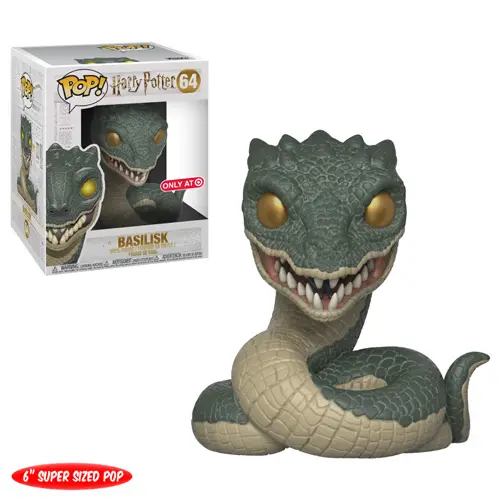
“A Harry Potter figure” is not a precise identification. The same character may appear in several sizes, poses, production runs, packaging versions, retailer exclusives, convention releases, or later reissues. Record the details that separate one release from another:
- Brand, product line, format, and approximate scale.
- Character name, pose, costume, accessories, and paint details.
- Box design, product number, barcode, sticker, and copyright text.
- Release year or date, where it was sold, and whether the item is sealed.
- Any edition, variant, chase, convention, retailer, or regional marking.
Use manufacturer catalogues, archived product pages, reputable hobby databases, collector checklists, and clear photographs to compare those details. A search result or marketplace title is a lead, not proof. If the box is missing or the product number is unreadable, describe the identification as uncertain instead of filling the gap with a confident rarity label.
Understand what the terminology does—and doesn’t—mean
Collectors often use limited, exclusive, chase, and variant as if they were interchangeable. They aren’t.
- Limited should refer to a stated or documented restriction on production or availability. The word alone does not establish how many were made.
- Exclusive usually describes a sales channel, retailer, event, territory, or distribution arrangement. An exclusive item can still have substantial production.
- Chase generally means a less common version inserted into a wider assortment. The actual ratio, run, and distribution can vary; don’t assume a universal formula.
- Variant only means that it differs from another release. A colour change, sticker, packaging change, or production revision is not automatically scarce.
“Vaulted,” discontinued, or no longer listed by a retailer also doesn’t prove rarity. It may simply mean that the release is no longer being produced or promoted. Treat every label as a claim that needs a source.
Separate scarcity from condition

Rarity and condition are different variables. A common figure in exceptional, complete condition may attract more attention than a scarcer figure with a damaged box, missing accessory, loose joints, paint loss, sun fading, or restoration. Condition should be recorded rather than hidden behind a broad phrase such as “mint.”
Check the figure and packaging separately. Note creases, tears, price stickers, cracked plastic, odour, yellowing, paint transfer, loose parts, replacement accessories, and evidence of opening. “Near mint” is not a standardized grade across every licensed-figure category. If a professional grading or authentication service has assessed the item, name the service and quote the assigned grade accurately. A protective case is not the same thing as a grade.
Ask where the item came from
Provenance is the documented history of an item: an original receipt, event purchase record, retailer order, collection history, or other evidence connecting the figure to a legitimate release. Provenance can help resolve an identification question, but a story by itself is not authentication. “It came from a warehouse” or “my friend worked at the store” cannot replace photographs, packaging details, and market evidence.
For signed, numbered, prototype, sample, or employee pieces, provenance matters even more. Ask who issued the item, how it was distributed, and whether the claimed paperwork belongs to that exact piece. Keep copies of receipts and correspondence, but don’t treat a certificate as automatically genuine merely because it is printed.
Use completed sales, not asking prices
Marketplace listings show what sellers hope to receive. Completed sales show what a buyer actually paid, although even a completed sale needs context. Compare sales for the same release, condition, packaging state, region, and included parts. Don’t combine a loose figure, a sealed example, and a graded example into one supposed market value.
Look for several comparable transactions rather than one dramatic result. Check the date, platform, shipping terms, currency, returns, and whether the sale was cancelled or relisted. A single high listing, an unsold auction, or an outlier transaction is not a reliable price guide. Market activity can be thin, so the honest conclusion may be that there isn’t enough evidence to assign a dependable value.
Watch for counterfeit and altered figures
Popular licences attract copies, fake stickers, resealed boxes, swapped parts, and altered paint. Warning signs include blurry or inconsistent printing, incorrect fonts, missing legal marks, mismatched product numbers, poor mould quality, unusual plastic, sloppy paint, packaging that doesn’t match documented releases, and a price that seems designed to force a quick decision.
Compare multiple photographs with trusted reference images, including the underside, back of the box, seals, accessories, and copyright information. Don’t rely on a single logo or sticker: those can be copied. For an expensive or unusual purchase, use a reputable specialist, an established dealer with a clear return policy, or an authentication service appropriate to the product category. Never remove evidence or alter the item before a dispute or inspection.
Why a character list is not proof of value
A list of famous characters creates an impression of authority while skipping the details that determine collectibility. Character popularity may affect demand, but it doesn’t establish production numbers, authenticity, condition, or completed-sale evidence. A “top ten rare” ranking can therefore mix different releases, repeat the same unverified claim, and turn a temporary asking price into a permanent-sounding fact.
Use the list as a starting point for research, not a buying instruction. The strongest conclusion is usually narrower: identify the exact release, document its condition and history, verify that it is genuine, and compare like-for-like completed sales. If those steps don’t support a rarity claim, the responsible answer is uncertainty—not a bigger number.

Notes
- Manufacturer product pages, catalogues, packaging, and official release announcements.
- Reputable collector checklists and hobby databases, used for identification and cross-checking rather than as price guarantees.
- Marketplace completed-sales records and auction archives, compared by exact release and condition.
- Authentication or grading services and established specialist dealers, where appropriate to the product category.