
Building a meaningful coin collection doesn’t require a six-figure budget. Here are ten coins that offer real numismatic value without breaking the bank.
I’ve put together this list of ten coins that are genuinely achievable for most collectors in 2026. These aren’t consolation prizes—they’re pieces with real historical significance, solid collector demand, and the potential to appreciate over time. More importantly, they’re coins you can actually find and afford.
1. Morgan Silver Dollar (1878-1921) — Common Dates
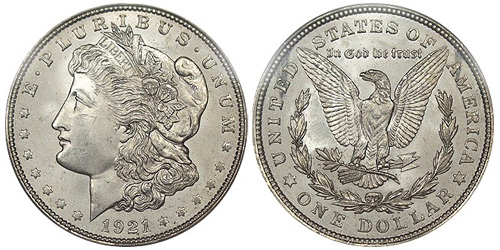
Price Range: $35–$75 (circulated), $50–$150 (uncirculated)
There’s a reason the Morgan Dollar remains the most popular collectible coin in America. Designed by George T. Morgan, these hefty silver dollars (containing 0.77344 troy ounces of silver) feel substantial in your hand and feature one of the most beautiful designs in American coinage.
The key to making Morgans achievable is focusing on common dates. Years like 1881-S, 1882-S, 1885-O, and 1887 were minted in large quantities and are abundant today.
You can find nice circulated examples for around $35–40, while brilliant uncirculated specimens typically run $50–100, depending on the grade.
Why it belongs in your collection: The Morgan Dollar is American numismatic heritage in tangible form. Starting with common dates lets you experience the design and silver content while learning to grade these coins—skills that will serve you well if you eventually pursue the scarcer dates.
2. Walking Liberty Half Dollar (1916-1947)
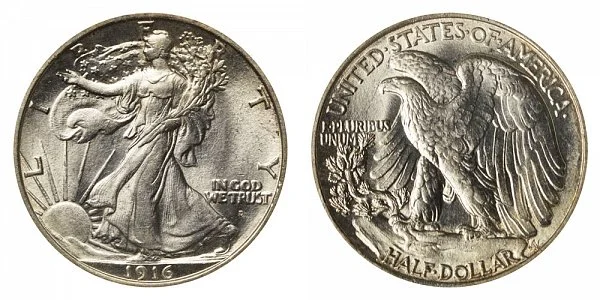
Price Range: $15–$35 (circulated), $50–$100+ (uncirculated)
Many collectors consider Adolph Weinman’s Walking Liberty design the most beautiful ever to appear on a U.S. coin—a reputation that led the U.S. Mint to revive it for the American Silver Eagle in 1986.
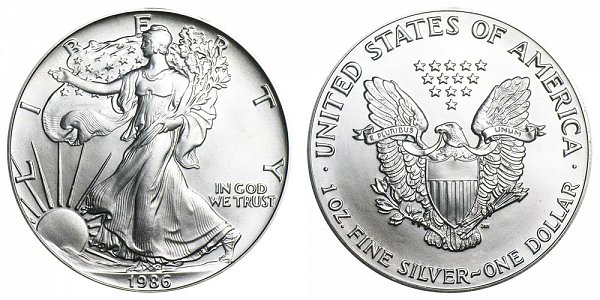
The obverse shows Lady Liberty striding toward the sunrise, draped in the American flag, with her arm extended as if reaching toward a brighter future. It’s a powerfully optimistic image that resonated deeply during the years between the two world wars.
Common dates from the 1940s (1941-1947) are remarkably affordable. You can build a nice type collection or even start a date set without significant investment.
These coins contain 0.3617 troy ounces of silver, so they have intrinsic metal value in addition to their numismatic appeal.
Why it belongs in your collection: This is widely considered the pinnacle of American coin design. Owning one connects you to a golden era of numismatic artistry.
3. American Silver Eagle — Current Year (2026)
Price Range: $35–$45 (bullion), $50–$75 (proof)
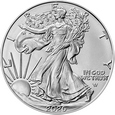
The American Silver Eagle has been the world’s best-selling silver bullion coin since its introduction in 1986, and for good reason. Each coin contains one full troy ounce of .999 fine silver, carries a legal tender value of $1, and is guaranteed by the U.S. government for weight and purity.
In 2021, the reverse design was updated for the first time, replacing the heraldic eagle with Emily Damstra’s “Landing Eagle” design. The Type 2 reverse gives modern issues their own distinct identity while maintaining the beloved Walking Liberty obverse.
Buying the current year’s issue lets you acquire a pristine, freshly minted coin at a minimal premium over the silver spot price. As years pass, current issues become “back dates” that often command small premiums.
Why it belongs in your collection: This is the foundation of many silver stacks and collections. It’s highly liquid, universally recognized, and represents excellent value for the money.
4. Buffalo Nickel (1913-1938) — Common Dates
Price Range: $1–$5 (circulated), $25–$75 (uncirculated)
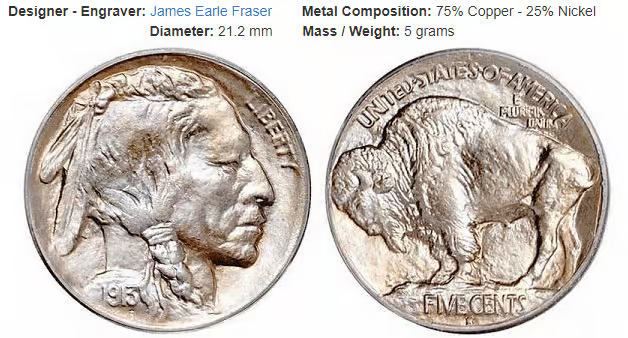
James Earle Fraser’s Buffalo Nickel is an American classic that remains surprisingly affordable. The design features a composite portrait of three Native American chiefs on the obverse and an American bison (often called “Black Diamond” after the bison in New York’s Central Park Zoo) on the reverse.
The catch with Buffalo Nickels is that the date sits on a raised area that wears down quickly in circulation. “Dateless” Buffalos are nearly worthless, but coins with readable dates from common years (1936, 1937, 1938-D) can be had for just a few dollars in nice circulated condition.
Why it belongs in your collection: This is achievable American numismatic art. Fraser’s design captures the American West at a moment when both the bison and Native American ways of life were being pushed to the margins. There’s melancholy and beauty intertwined in this coin.
5. Mercury Dime (1916-1945) — Common Dates
Price Range: $3–$8 (circulated), $15–$50 (uncirculated)
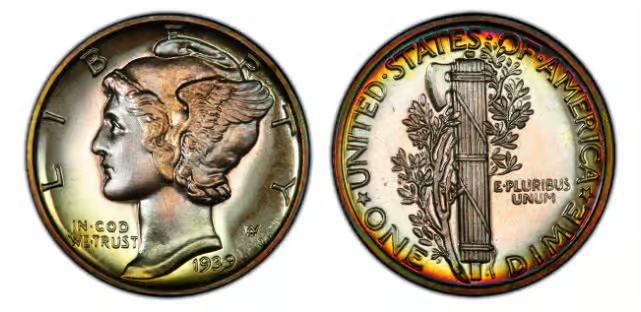
Another Adolph Weinman masterpiece, the Mercury Dime doesn’t actually depict the Roman god Mercury—it’s Liberty wearing a winged cap symbolizing freedom of thought. But the popular nickname stuck, and it’s how most collectors refer to these beautiful little coins.
Common dates from the 1940s (1941-1945) are extremely affordable and often found in pocket change as recently as the 1960s. These dimes contain 0.0723 troy ounces of silver, making even worn examples worth more than face value.
Putting together a basic date set is achievable for most collectors, though the 1916-D key date will remain out of reach until you’re ready to spend serious money.
Why it belongs in your collection: The Mercury Dime demonstrates that great design can appear on even our smallest denominations. The level of detail Weinman achieved on a coin smaller than a modern dime is remarkable.
6. Peace Dollar (1921-1928, 1934-1935)
Price Range: $30–$50 (circulated), $50–$100 (uncirculated)
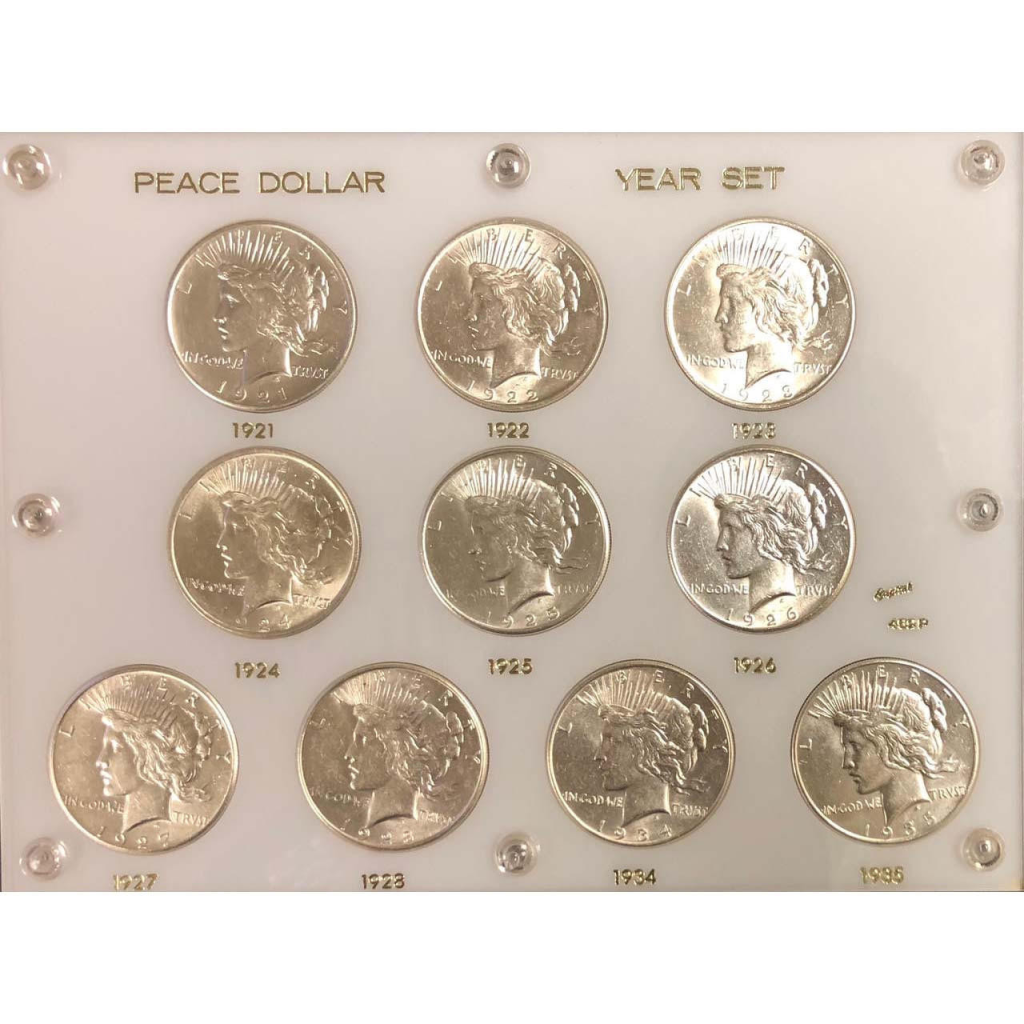
Designed by Anthony de Francisci, the Peace Dollar commemorates the end of World War I and features a classically styled Liberty on the obverse with the word “PEACE” appearing on the reverse beneath a perched eagle.
The Peace Dollar was the last circulating United States dollar coin struck in 90% silver, giving it a “last of an era” appeal. Like Morgans, these coins contain substantial silver (0.77344 troy ounces) and have strong collector demand.
Common dates like 1922, 1923, and 1925 are readily available and affordable. Even in uncirculated grades, these dates rarely exceed $75-100.
Why it belongs in your collection: The Peace Dollar represents optimism between the wars—a moment when Americans genuinely believed they had fought “the war to end all wars.” That historical context adds poignancy to an already beautiful design.
7. Kennedy Half Dollar (1964) — 90% Silver Issue
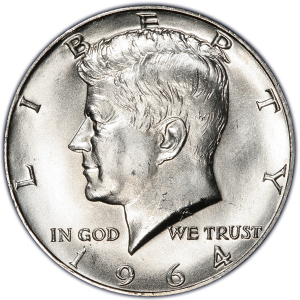
Price Range: $12–$18 (circulated), $20–$40 (uncirculated)
The 1964 Kennedy Half Dollar holds a unique place in American numismatics. Rushed into production just months after President Kennedy’s assassination, it was the last U.S. coin struck in 90% silver for circulation.
Americans hoarded these coins when they were released, meaning many survive in excellent condition today. The public’s emotional attachment to Kennedy meant people set these aside rather than spending them—a benefit to modern collectors.
Later Kennedy halves (1965-1970) contain 40% silver, while those from 1971 onward are copper-nickel clad. The 1964 issue remains the most collectible and the only one containing the full silver alloy.
Why it belongs in your collection: This coin captured a moment of national grief and represents the end of silver circulating coinage in America. The design by Gilroy Roberts (obverse) and Frank Gasparro (reverse) was created under extraordinary time pressure yet remains dignified and timeless.
8. Indian Head Cent (1859-1909) — Common Dates
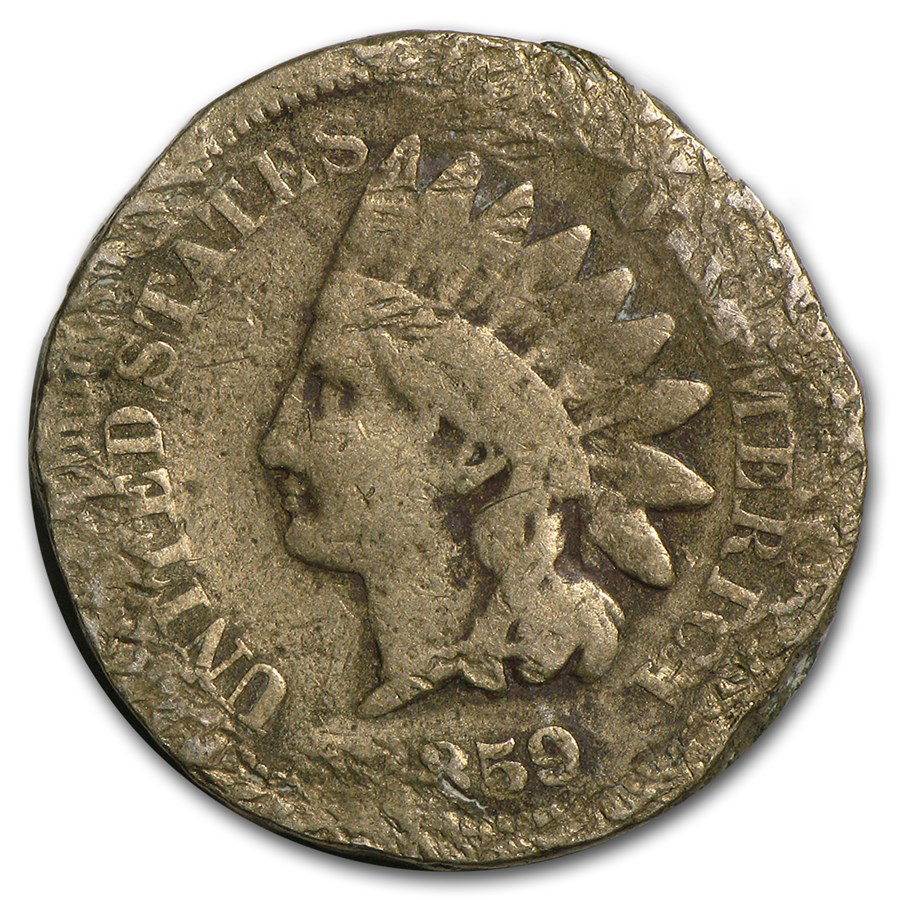
Price Range: $5–$20 (circulated), $40–$100+ (uncirculated)
James Barton Longacre’s Indian Head Cent was the workhorse of American commerce for half a century. Despite its name, the obverse actually depicts Liberty wearing a Native American headdress—a somewhat fanciful design that nevertheless became beloved.
Common dates from the 1880s through 1909 are surprisingly affordable. These coins saw heavy use, so finding them in nice condition requires some hunting, but that’s part of the fun.
Why it belongs in your collection: The Indian Head Cent spans an extraordinary period of American history—from the Civil War through the Gilded Age to the dawn of the automobile era. Holding one connects you to the everyday transactions of Americans living through profound national changes.
9. Roosevelt Dime (1946-1964) — 90% Silver Issues
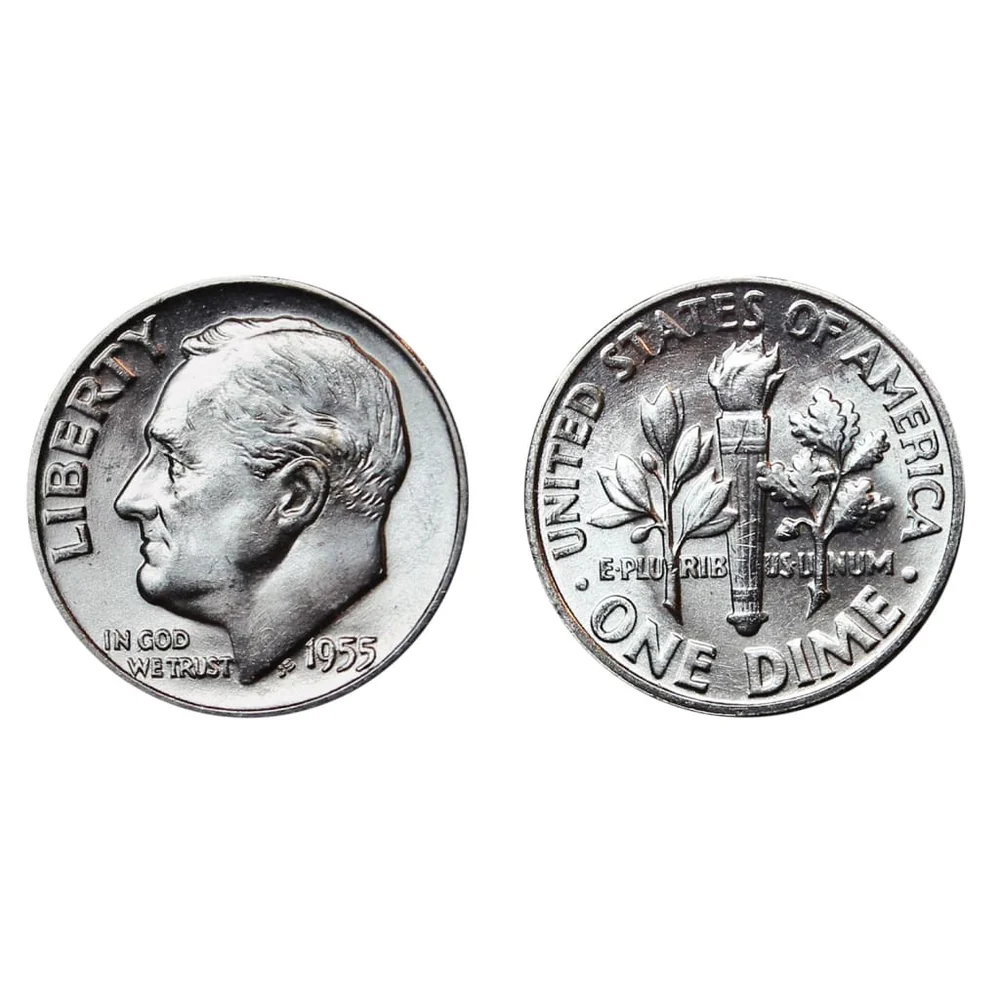
Price Range: $2–$5 (circulated), $8–$20 (uncirculated)
The Roosevelt Dime debuted in 1946, the year after FDR’s death, designed by John R. Sinnock. Silver Roosevelt Dimes from 1946-1964 are among the most affordable ways to own 90% silver U.S. coinage.
Building a complete 1946-1964 date and mintmark set is achievable and makes an excellent project for beginning collectors. No dates are particularly rare, and even in uncirculated condition, most can be purchased for under $15.
Why it belongs in your collection: This is an ideal starter collection. The relatively low cost allows you to learn about grading, mintmarks, and collection building without significant financial risk.
10. American Gold Eagle 1/10 oz — Current Year (2026)
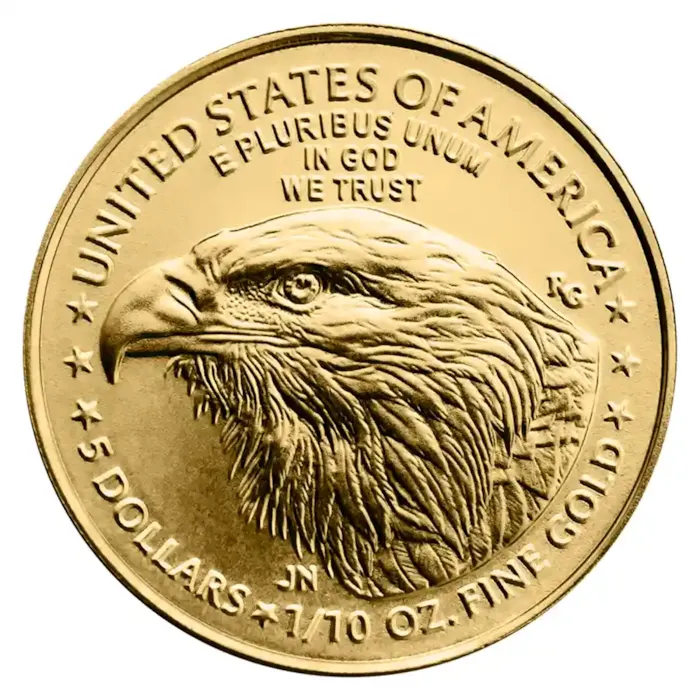
Price Range: $250–$300 (bullion), $300–$375 (proof)
Gold belongs in every serious collection, and the 1/10 oz American Gold Eagle is the most accessible way to own U.S. gold coinage. These fractional eagles contain exactly 1/10 troy ounce of gold in a durable 22-karat alloy and carry a legal tender value of $5.
The obverse features Augustus Saint-Gaudens’ iconic Liberty design from the 1907-1933 $20 gold piece—widely considered the most beautiful U.S. coin ever made. The reverse, designed by Miley Busiek, shows a family of eagles.
While the premium over gold content is higher for fractional coins than for full ounce pieces, the lower total price makes gold accessible to collectors who can’t justify spending $2,500+ on a single coin.
Why it belongs in your collection: Owning gold changes how you think about money and value. There’s something profound about holding an element that has been treasured by humans for millennia.
Tips for Smart Collecting
Buy the book before you buy the coin. Whatever series interests you, invest in a good reference guide first. The Red Book (A Guide Book of United States Coins) is essential, and specialized references exist for every major series.
Learn to grade. Condition dramatically affects value. Study PCGS and NGC grading standards, and practice on inexpensive coins before buying anything significant.
Start with certified coins for valuable pieces. Third-party grading from PCGS or NGC provides authentication and a professional grade assessment. For coins worth more than $100, the certification fee is worthwhile protection.
Establish relationships with reputable dealers. Good dealers become trusted advisors. They’ll alert you to coins that match your interests and stand behind what they sell.
Be patient. The right coin at the right price will come along. Overpaying because you’re excited is the most common mistake collectors make.
Collect what you love. Investment potential matters, but the coins that bring the most satisfaction are those that genuinely fascinate you. The hobby should be enjoyable, not just financially prudent.
Final Thoughts
Every major collection started somewhere, usually with modest coins that sparked curiosity. The pieces on this list aren’t compromises—they’re legitimate numismatic treasures available at accessible prices.
Start with what intrigues you, learn as you go, and let your collection grow organically. The coins will be here, waiting for you to discover them.
What coin will you add to your collection first? Let us know in the comments below.
Fact-checked and refreshed on August 8, 2026. This article is part of GrandCollector’s editorial freshness program — we periodically review older content to keep collector guidance accurate.