

Disclosure: This article may contain affiliate links. If you buy through them, GrandCollector may earn a commission at no extra cost to you.
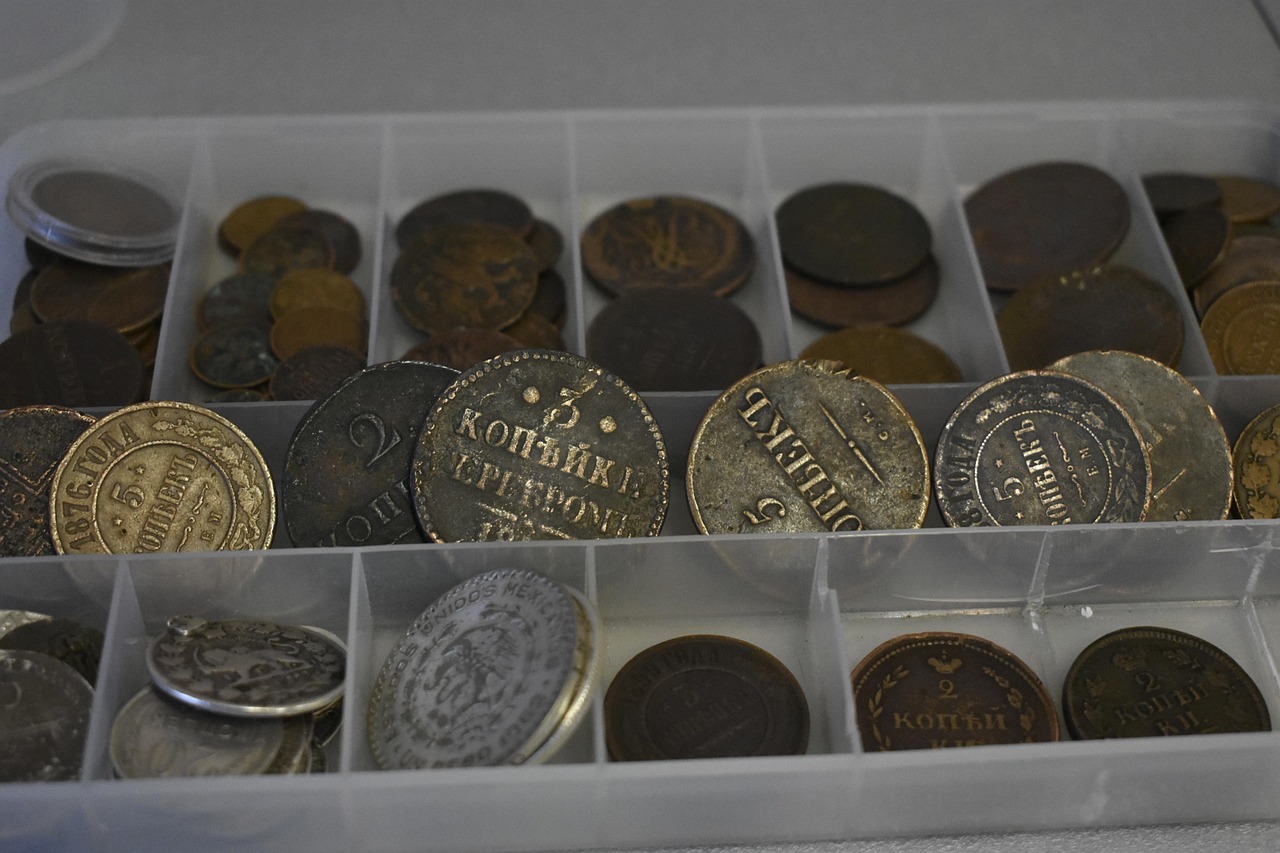
Most coin collections start the same way, a jar of loose change, some inherited pieces in old envelopes, and a few interesting finds from a trip abroad. The pile grows, and suddenly you have no idea what you own. Organising does not require a mahogany coin cabinet or museum-grade supplies. You can build a logical, browsable system using things you probably already have around the house.
Key takeaways
- Why Most Coin Collections Stay Disorganised
- What Beginners Usually Get Wrong
- Building a Three-Level Sort That Works
Why Most Coin Collections Stay Disorganised
A disorganised collection feels like an unsorted pile of loose coins. You forget what you have, skip checking for interesting varieties, and lose track of condition over time. Worse, unprotected contact between coins causes scratches and hairlines that reduce eye appeal for even common pieces.
The main reasons collectors put off organising are the perceived cost of supplies and the fear of getting the system wrong. Neither should stop you. A basic framework you can maintain today is worth more than a perfect system that never happens because the supplies feel out of reach.
What Beginners Usually Get Wrong
The most common mistake is sorting by date first. Date ordering feels intuitive but scatters coins from the same country across your entire storage system. A Canadian nickel from 1975 ends up nowhere near a Canadian nickel from 1976, and a US dime from 1965 sits in a different box from a US quarter from 1965. The result is a system that collapses the moment you add a new coin.
Another trap is buying expensive supplies before understanding what your collection actually needs. A new collector with a mix of world coins does not need two-by-two mylar flips for everything. A small stack of acid-free paper envelopes and a multi-compartment box will handle most collections for years.
Building a Three-Level Sort That Works
A logical sorting system uses a fixed order: country first, then denomination within each country, then era or date range within each denomination. This mirrors the structure of most world coin catalogues and means you always know where to file a new piece. If you are building a collection across many countries, our world coin collecting guide has more on starting a country-based collection without overspending.
Start by dumping everything onto a clean, soft surface, a towel on a table works. Separate coins into country piles. Do not worry about dates or denominations yet. Once you have country piles, tackle one country at a time. Within each country, group by denomination: cents together, nickels together, dimes together, and so on. For international collections, group by the coin’s face value in whatever currency unit that country uses.
Within each denomination, sort by era: pre-1900, 1900-1950, 1950-2000, post-2000. Adjust these ranges for the country you are working with. A country that only began minting in 1960 does not need a pre-1900 category. The era labels should feel natural for the material in front of you, not strict.
Inexpensive Supplies That Actually Work
Acid-free paper envelopes are the workhorse of budget organisation. A pack of a hundred costs far less than a single coin album and provides chemically neutral storage that prevents tarnishing. The gummed flap keeps coins inside but allows easy removal for inspection. Write the country, denomination, and era range on each envelope in pencil, pencil is erasable, so you can adjust the system as your collection grows.
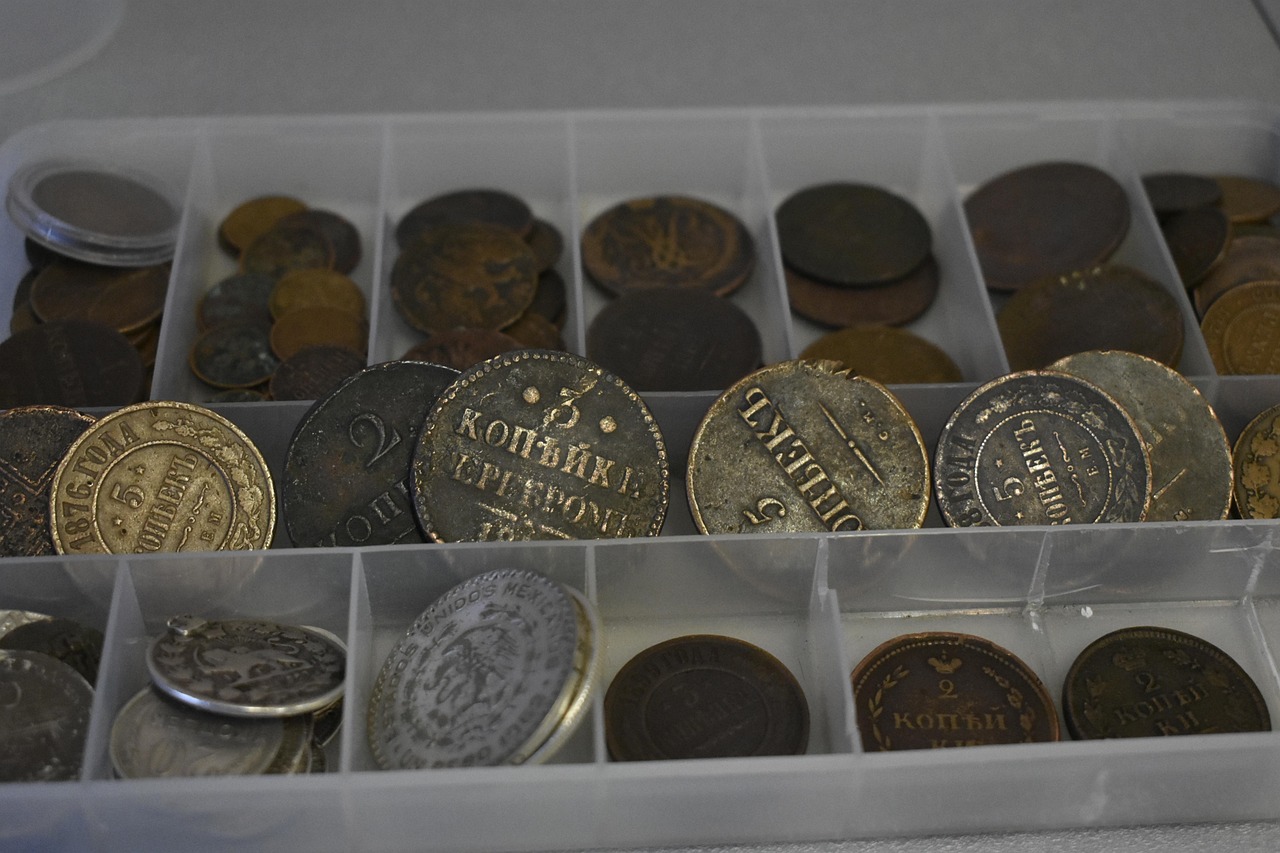
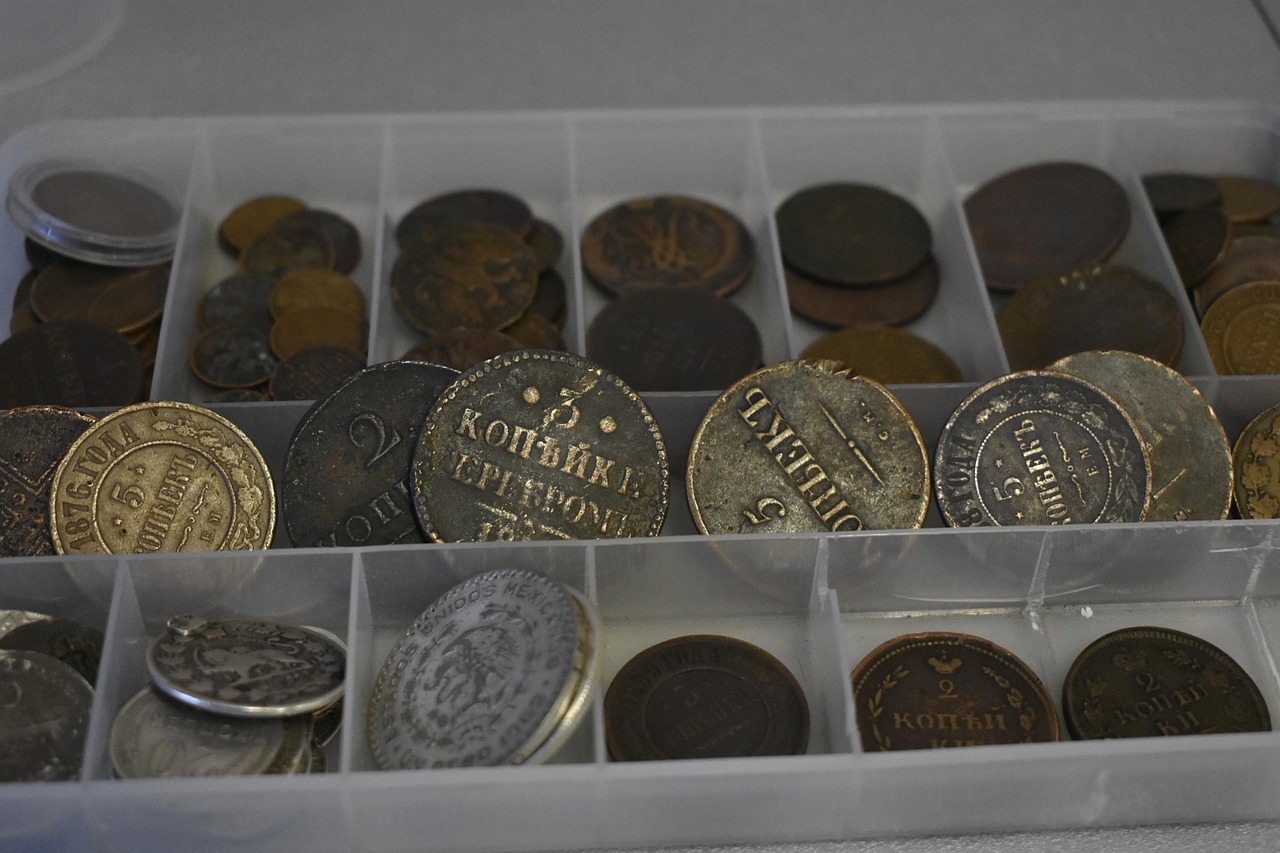
Tackle boxes, craft storage cases, and small-parts organisers from the hardware store make excellent coin boxes. They cost only a few dollars, have adjustable dividers, and fit multiple envelopes neatly. A single flat tackle box with twelve compartments can hold a dozen country groupings, with the compartments labelled for quick browsing.
Shoeboxes reinforced with tape also work for bulk storage of low-value coins sorted by country. Line the box with plain paper, stack envelopes standing upright like a filing system, and label the outside. It is not elegant, but it is functional and free.
Labeling Without Fancy Equipment
Handwritten labels work better than printed ones for a growing collection. You can cross out, update, split, and merge categories without printing new sheets. Use a soft pencil on paper envelopes and a removable adhesive label or masking tape on plastic dividers. Do not use permanent marker on any surface that might contact coins, the fumes can accelerate toning.
Keep a simple index card or a page in a notebook listing what each box or compartment contains. When a compartment fills, you can split it by adding a finer era range or separating by mint mark — for a deeper guide, see our primer on coin mint marks, errors, and varieties. The index means you spend less time opening every envelope to check contents.
Common Pitfalls That Undo the System
Over-sorting is a real risk. A collector with forty world coins does not need thirty labelled compartments. If you only have three coins from Japan, put them in one envelope labelled “Japan, mixed denominations” until the group grows large enough to split. Premature subdividing creates empty compartments that make the collection feel incomplete and discouraging.
Reusing PVC-containing plastic pages, old photo sleeves, or non-archival plastic bags is a common budget trap. Some soft plastics emit plasticisers that react with copper and silver surfaces over months, leaving a sticky green residue that is difficult to remove and reduces the coin’s appeal. If the plastic smells like a shower curtain, do not use it. For more on safe storage, read our guide to coin storage mistakes.
Storing coins where humidity fluctuates, basements, attics, garages, accelerates surface changes even when using acid-free envelopes. A bedroom closet shelf is usually a better choice. Silica gel packets tucked inside storage boxes add a small protective buffer at essentially zero cost.
When to Upgrade Your Supplies
Upgrade a single envelope to a mylar flip or cardboard two-by-two holder when a coin is worth enough that you would be upset if it picked up a scratch. For most circulated world coins under a few dollars each, paper envelopes remain perfectly adequate. There is no need to flip and staple every common-date penny.
Upgrade to a purpose-built coin box or cabinet when the collection outgrows repurposed containers, typically when you have several hundred coins across many countries and browsing the tackle box becomes frustrating. By that point, you know enough about your collecting direction to buy the right type of storage rather than guessing upfront.
Final Practical Advice
Pick a starting point and sort for twenty minutes. Do not try to organise the entire collection in one session, that leads to burnout and a half-sorted mess that is worse than the original pile. Start with one country, complete it including labels and filing, then stop. The satisfaction of one finished section creates momentum for the next.
Reorganising is part of collecting. A system that works for eighty coins will feel different at two hundred coins and may need restructuring at five hundred. That is a sign of growth, not failure. The goal is not a static display case that never changes, it is a system where every coin has a known location and you can find what you are looking for in under a minute. If you enjoy the sorting process, our coin roll hunting guide covers what to look for when searching through bulk coins.
Notes
[1] The three-level sort (country, denomination, era) aligns with the standard structure used in major world coin catalogues including Krause Publications’ Standard Catalog of World Coins, which organises listings by country, then denomination within each year range.
[2] Acid-free paper’s suitability for coin storage is based on the principle that acidic materials off-gas compounds that accelerate oxidation and toning on metal surfaces, a well-documented concern in museum conservation practice.
[3] PVC plastisol degradation and its effects on coin surfaces (commonly called “green slime” or PVC damage) has been widely reported in the numismatic community; soft, flexible plastics with a strong chemical odour should be avoided for long-term coin contact.
Affordable Supplies for Organising a Coin Collection
Disclosure: This article contains affiliate links. If you buy through them, GrandCollector may earn a commission at no extra cost to you.
Silica Gel Packets for Humidity Control — 50 Pack
Silica gel packets tucked inside your storage boxes add a protective buffer against moisture at essentially zero cost per packet. These 5-gram indicating packets change colour when saturated so you know when to recharge them. Ideal for any collector storing coins in enclosed boxes, especially in climates with seasonal humidity swings. A 50-pack covers multiple storage containers and lasts years with periodic recharging.
SPLF 100-Piece Coin Capsule Set with Storage Box
When your collection reaches the point where individual coins deserve better protection than paper envelopes, these PVC-free humidity-control packets with foam gaskets provide a clear, airtight seal without breaking the bank. The set includes five sizes to fit most common denominations (17-30mm) and comes with its own organizer box — perfect for the intermediate stage between paper envelopes and a full coin cabinet. Four sizes of foam gaskets ensure a snug, rattle-free fit.