

A Funko Pop can become more expensive after release, but that outcome isn’t automatic—and a higher asking price isn’t the same as a profitable sale. The useful question is not whether a Pop is old or has a colourful sticker. It’s whether identifiable buyers are completing transactions for that exact version, in that condition, after selling costs.
Demand comes before scarcity
Prices are made by demand and supply together. A character with an active fan base, a popular franchise, a memorable design, or a genuinely scarce variant may attract buyers. But enthusiasm can fade, a new version can satisfy the same demand, or Funko can release more merchandise for the character. A large number of collectors wanting one item matters only if they are still willing to pay when it is offered.
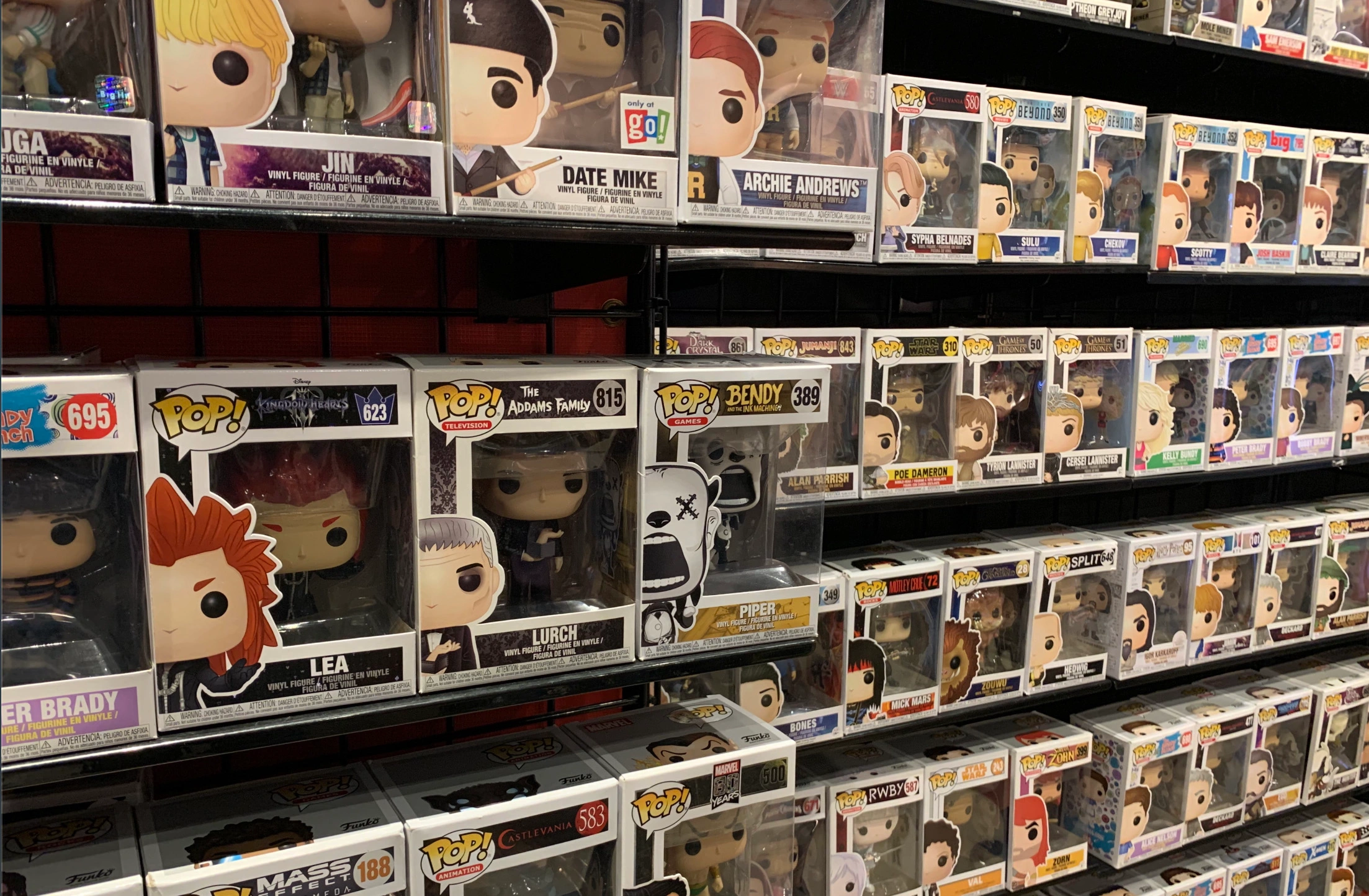
Funko’s own store separates products into categories such as best sellers and limited-edition drops. That is useful evidence of how Funko describes a release; it is not a promise of future resale value. A retail exclusive may be available through one retailer without being rare overall. Treat popularity, licensing, and current availability as demand clues—not as a forecast.
What scarcity labels actually tell you
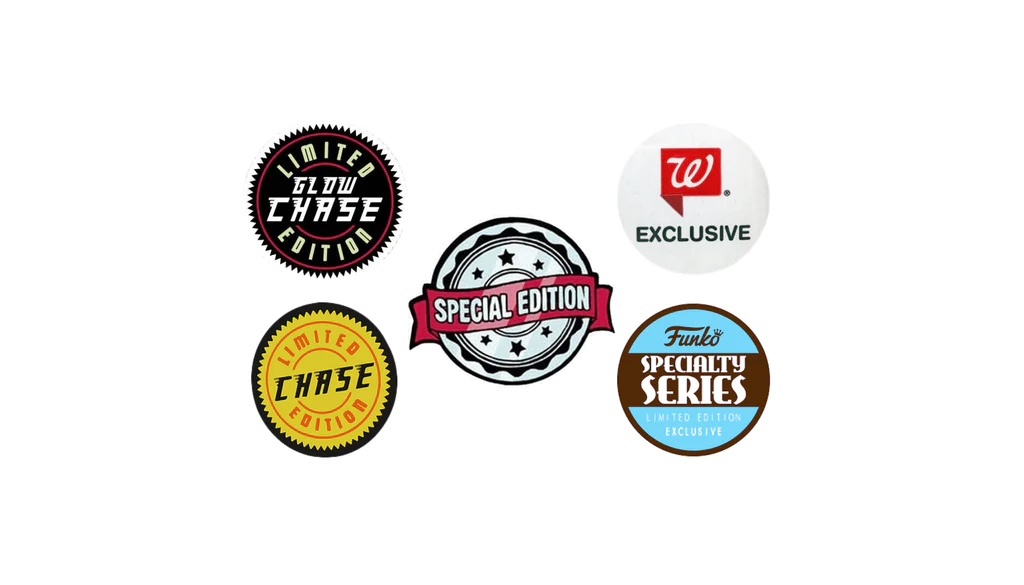
Collectors commonly encounter exclusive, limited edition, chase, convention, retailer, and vaulted labels. They do not all measure the same thing.
- Exclusive usually identifies a distribution channel or retailer. It does not, by itself, state how many pieces exist.
- Limited edition is stronger when the manufacturer publishes a specific production quantity. Funko’s limited-edition calendar sometimes states a piece count; record that number and the exact product rather than assuming every limited release has the same supply.
- Chase identifies a harder-to-find variation within a release. The chase label does not establish a guaranteed resale price, and the ratio or availability can differ by product.
- Vaulted is generally a collector-market term for a product no longer being made or sold through normal channels. It doesn’t mean every existing unit is rare, desirable, or in demand.
Check the box number, sticker, pose, finish, size, and other identifiers. Two Pops from the same character line can be different market items. A scarcity label attached to the wrong listing can make comparisons useless.
Condition changes the result
For boxed Pops, the packaging is part of the collectible. Creases, corner compression, window scratches, fading, sticker damage, crushed edges, smoke odour, and missing inserts can reduce buyer interest. An opened figure may still be desirable, but it should not be compared with a clean, complete, sealed example.
Photograph every side of the box, disclose flaws, and keep purchase records where possible. Protectors can help prevent additional damage; they cannot turn an already damaged box into a mint example. Be cautious with claims such as “mint” unless the photos support them. Condition is not a small adjustment to value—it changes which buyers are willing to purchase.
Use completed sales, not hopeful listings
To test appreciation, search eBay’s sold or completed listings for the exact identifier and variation. Compare several recent transactions, not one unusually high result. Exclude listings that are for a bundle, signed item, custom paint job, damaged box, or a different sticker unless those are the item being valued. Also distinguish a completed sale from a listing that merely received watchers or an asking price.
Record the sale date, item condition, included accessories, shipping terms, and accepted price when visible. Then compare the historical purchase cost with a realistic net sale amount. HobbyDB’s Pop Price Guide is useful for identifying releases, tracking a collection, and seeing a guide or marketplace reference. Its displayed value is a data point, not a guaranteed offer. A guide can lag behind a fast market, combine unlike conditions, or reflect limited transaction data.
Fees and liquidity are part of value
A paper gain disappears if the item cannot sell at that price. eBay says sellers may face an insertion fee and a final value fee; other costs can include promoted-listing charges, packing materials, postage, returns, and the time required to answer questions and manage a transaction. Fee rules vary by account, category, location, and promotion, so check the current fee page before calculating a net result.
Liquidity means how readily an item sells at a reasonable market price. A Pop with many comparable completed sales is easier to price than one with a single old transaction. High-value items can have a smaller buyer pool, and a seller may need to wait, accept an offer, or pay for better presentation. The last visible sale is not necessarily the price a seller can repeat today.
A practical appreciation check
Before calling a Pop an investment, ask:
- What is the exact product number, variation, sticker, and condition?
- How many comparable sales occurred recently, and what was the typical—not highest—result?
- Is the demand tied to an active fandom, or is it based only on age and a scarcity label?
- What would remain after platform fees, shipping, packing, taxes, and any return or promotion risk?
- How long might it take to find a buyer?
If the evidence is thin, the honest conclusion is “unproven,” not “future grail.” Buy a Pop because you want to own it, and treat any appreciation as a possibility. The strongest measurable case is a repeatable pattern of genuine sales for the same variant and condition, with enough demand to make an eventual sale practical.
Notes
Sources: Funko, Limited Edition Calendar and Best Selling pages, accessed for release labels and published quantities; eBay, Selling fees and Fees and billing, for fee categories and payout information; hobbyDB, Pop Price Guide / Funko marketplace and Pop Price Guide integration notice, for database and guide context. Prices and fee rules change; verify live records before buying or selling.