

Updated August 2026. Collectible values change, and no price guide guarantees what an item will sell for.
The honest answer is that a Funko Pop is worth what comparable examples have recently sold for—not the highest asking price in a marketplace search, an old price guide entry, or a number printed in a social-media post. The most reliable estimate combines the exact item identity, condition, packaging, recent completed sales, and the cost of reaching a buyer.

Start with the exact item
Before looking for a price, record the details that separate one Pop from another. Write down the character or subject, product line, box number, release or exclusive sticker, finish, size, and whether the figure is a common version or a variant. Photograph the front, back, bottom, sticker, and any visible damage.
Do not treat a similar-looking figure as the same item. A shared character can have multiple releases with different boxes, poses, finishes, retailers, or event markings. Search using the full name and box number, then compare the photographs—not just the title.
Use sold results, not optimistic listings
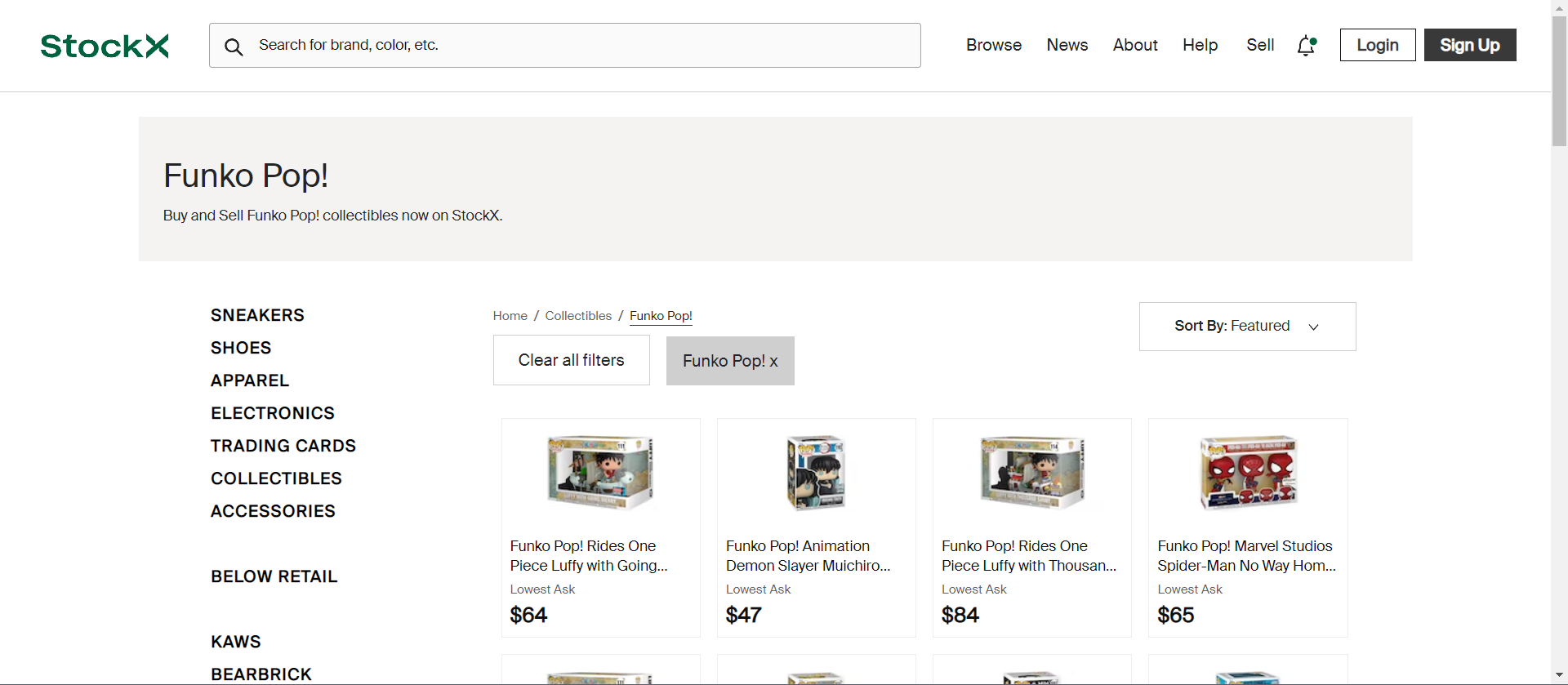
Active listings show what sellers hope to receive. They do not show whether a buyer accepted that price. On eBay, use Advanced Search and select completed listings, or use the platform’s Product Research tools when available. Compare several recent sales and record whether each example was boxed, damaged, incomplete, graded, bundled, or sold with free shipping.
Remove obvious outliers. A damaged figure, a bundle, a signed item, or a listing with an unusual delivery charge can distort the comparison. A single high result is not proof that every copy is worth the same amount.
Check a guide as a second opinion
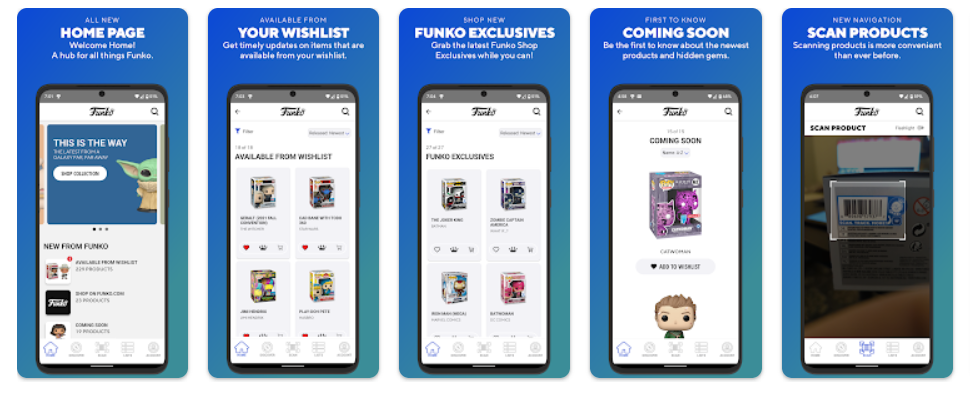
The official Funko app can help identify products and display collection information. Funko has also described Pop Price Guide data as being based on sales activity, while warning that guide values are an indication of current market status rather than a guarantee. hobbyDB’s Pop Price Guide explains that its estimated values use selected price points and that condition matters to the calculation.
That makes a guide useful for finding comparable items, but not a substitute for recent sold evidence. If a guide and recent completed sales disagree, investigate the difference. The guide may include older sales, a different condition assumption, or a different version of the item.
Condition changes the answer
For boxed Pops, inspect the window, corners, edges, surface, inserts, and sticker. Crushing, tears, water marks, sun fading, price-label residue, and replacement packaging can change buyer interest. For loose figures, check paint, accessories, flocking, glow effects, and warping.
Describe flaws plainly. “Box has a crease on the lower-left corner” is more useful than “excellent condition.” Never use a stock photograph when selling a valuable or unusual piece. Buyers need to see the actual item.
Authentication comes before valuation
A price estimate for a counterfeit or altered item is meaningless. Compare the box printing, logos, barcode, copyright information, figure details, paint, and construction with a known genuine example. Funko has also used authentication stickers and, for some products, unique codes or QR-based checks through its partners. Those tools can support an assessment, but a sticker or code should not be treated as the only evidence.
When the purchase price is substantial or the item is difficult to authenticate, use a reputable specialist, ask for clear provenance, and keep records of the seller, photographs, and transaction. Do not pay more simply because a listing uses words such as “rare,” “grail,” or “investment.”
Calculate the realistic selling figure
Your net result is not the same as the headline sale price. Account for marketplace fees, payment processing, packing materials, shipping, insurance, taxes where applicable, and the time required to answer questions and manage a return. A local sale may produce a different net result from an international marketplace sale.
For a collection, value each item separately before considering a bundle. Bundles can move common pieces faster, but buyers usually expect a discount because they cannot choose only the strongest items.
Red flags in valuation advice
- A price based only on an unsold listing.
- A claim that every vaulted or exclusive item must rise in value.
- A specific return or future price presented as certain.
- A guide number with no condition, date, or comparable sales.
- A seller refusing photographs of the actual box and figure.
- A counterfeit warning ignored because the item looks expensive.
Bottom line
Use the exact product identity, recent completed sales, condition notes, and a reputable guide as a cross-check. Treat the result as an estimate, not an investment promise. Collect because you want the item, and only buy at a price you can accept if the market moves against you.
Notes
[1] eBay explains that completed listings and sold-item research provide information about actual sale activity rather than active asking prices.
[2] Funko describes its mobile app and Pop Price Guide integration as collection and value-tracking tools; the company’s announcement says guide values reflect current market status and are not a guarantee.
[3] hobbyDB explains that Pop Price Guide estimated values use selected price points and that condition affects the calculation.