
Short answer: Keep a Funko Pop in its original box when the packaging is part of what you enjoy, when you want the option to resell it, or when the box helps you identify and protect the item. Take it out when seeing the figure clearly, handling it, or building an open display matters more than preserving the package. There is no universal collector rule, and keeping a box does not guarantee a future profit.


What the box adds
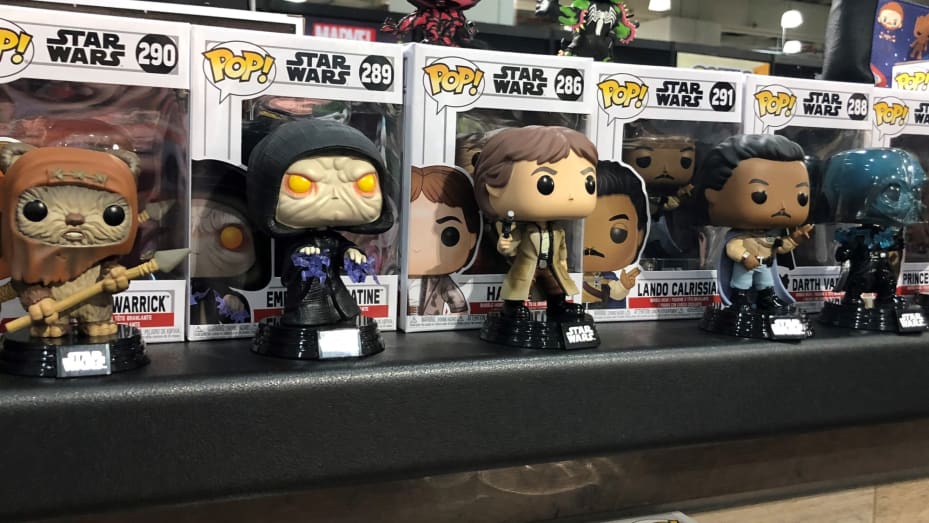
A standard Pop box is more than shipping material. It identifies the character, series, number, edition, licensing information, and sometimes an exclusive retailer or event. The window also lets a collector display the figure while leaving it in the package. Funko describes its packaging as part of the shelf presentation, so some collectors treat the complete package as the collectible rather than viewing the figure by itself.
Packaging can also make ownership easier. A correctly labelled box helps distinguish similar releases, provides a place to keep the figure’s insert, and can be useful when moving or selling a collection. That is a practical benefit, not a promise that a boxed item will appreciate.
Condition is a combination, not a label
“In box” only describes the packaging status. It does not tell you whether the box is clean or whether the figure is undamaged. Inspect both parts separately:
- Box: Look for crushed corners, creases, dents, tears, lifting window plastic, split seams, fading, stains, and sticker damage.
- Figure: Check for paint rubs, leaning, loose parts, scratches, discoloration, missing accessories, and manufacturing defects.
- Identity: Compare the box art, character name, item number, sticker, and figure to the release you believe you own.
An opened figure can still be complete and attractive. A sealed box can still have damage from storage, transport, sunlight, or humidity. Describe the actual condition instead of relying on terms such as “mint” without explaining what was inspected.
Display choices
Keeping a Pop boxed suits a uniform wall or shelf display, especially when the front artwork and window are part of the visual appeal. It also reduces handling and makes it easier to rotate seasonal or themed displays without touching the figure.
Out-of-box display gives you a better view of the sculpt, paintwork, pose, and accessories. It can also use less shelf depth and let you arrange figures by character, color, scene, or personal story rather than by package design. If you open one, keep the box and insert nearby if you may want to return the figure to its original presentation.
A useful compromise is a two-group system: keep scarce, signed, giftable, or especially meaningful releases boxed, and open common or duplicate figures for display. You can also photograph the figure and packaging before opening it so your records show what was included.
Storage: protect the box and the figure
Store boxed Pops upright on a stable shelf or in a properly sized protector. Avoid leaning heavy items against the windows and do not stack more weight than the lower boxes can safely support. Keep the collection away from direct sunlight, radiators, damp areas, and rapid temperature changes. UV exposure can fade printed packaging and some colors; a protector may reduce exposure, but it does not make a display shelf permanently safe.
For long-term storage, use clean hands, avoid compressing the boxes, and leave enough room to remove an item without dragging it across neighboring packages. If you open a Pop, protect small accessories and the inner insert in a labelled bag or with the original packaging. A simple inventory with photos, release details, and notes about condition can prevent confusion later.
Completeness matters
Before deciding whether to open a Pop, record what came with it. Depending on the release, that may include an insert, stand, sticker, alternate piece, glow or flocked finish, special case, certificate, pin, or other companion item. Not every release includes the same components, so compare the item with the manufacturer’s product information or reliable collector references for that specific release.
Completeness is especially important if you sell, trade, insure, or reorganize the collection. Keep original stickers attached and do not add replacement labels that could be mistaken for official packaging. If a component is absent, note it clearly rather than assuming it was never included.
Market uncertainty and resale decisions
Original packaging can make an item easier for a buyer to identify, store, and compare with other listings. Some buyers specifically want boxed examples, while others care more about the figure. Demand varies by character, release, production history, edition, condition, location, timing, and the number of comparable items available. A vaulted or exclusive label alone does not establish a reliable selling price, and past listing prices are not guarantees of future results.
If resale is part of your plan, research completed sales for the same release and compare the box condition, included pieces, shipping method, and selling venue. Asking prices show what sellers hope to receive; completed sales are stronger evidence of what buyers actually paid. Account for fees, postage, packing materials, returns, and the time required to make a sale. Do not buy or preserve a Pop solely because someone predicts a fixed percentage increase or a specific future value.
Choose according to your collecting goal
Use this decision guide:
- Display the package: Keep it boxed if the box art, uniformity, and easy identification are central to your collection.
- Display the figure: Open it if the sculpt and the experience of seeing it directly are your priority.
- Preserve options: Keep the box and all inserts, even after opening, if you want flexibility later.
- Build a complete set: Decide whether “complete” means every figure, every variant, or every original component, and track that definition consistently.
- Collect for enjoyment: Choose the format that makes you want to look at and care for the collection. Personal use is a valid outcome.
The best answer is not “always boxed” or “always open.” It is a clear choice based on your display, storage, completeness, resale, and enjoyment priorities. Make that choice deliberately, document the condition, and revisit it only when your goals change.
Notes
Sources: Funko, “Celebrate National Packaging Design Day”; Funko, “Funko Pops! — The Sizes, Terms, and Variants”; Funko product information for Pop! Protectors; eBay Help, “Pricing your items” and completed-listing guidance. Accessed August 2026.